Radio Caroline
 |
 |
|
 |
 |
|
 |
 |
|
 |
 |
|
 |
 |
 |
 |
|
 |
 |
|
 |
 |
|
 |
 |
|
 |

Radio Caroline kann sich über erfolgreiche Lizenzierung nach Antrag gegen Ende des Vorjahres (Radioszene berichtete) freuen.
Fünfzig Jahre nach Ende des Seesender-Piraten-Daseins aufgrund des Marine Broadcasting Act hat die britische Aufsichtsbehörde Ofcom Radio Caroline eine Mittelwellenlizenz für den Raum Suffolk und Nord-Essex zugesprochen. Dies ist die erste Vollzeitlizenz für terrestrischen Betrieb der legendären Station. Mitstreiter Bob Lawrence hatte dies bereits seit 2010 angestrebt.
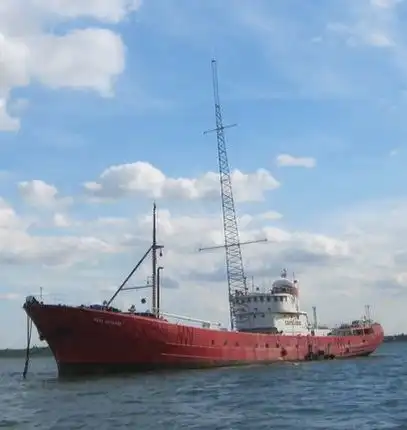
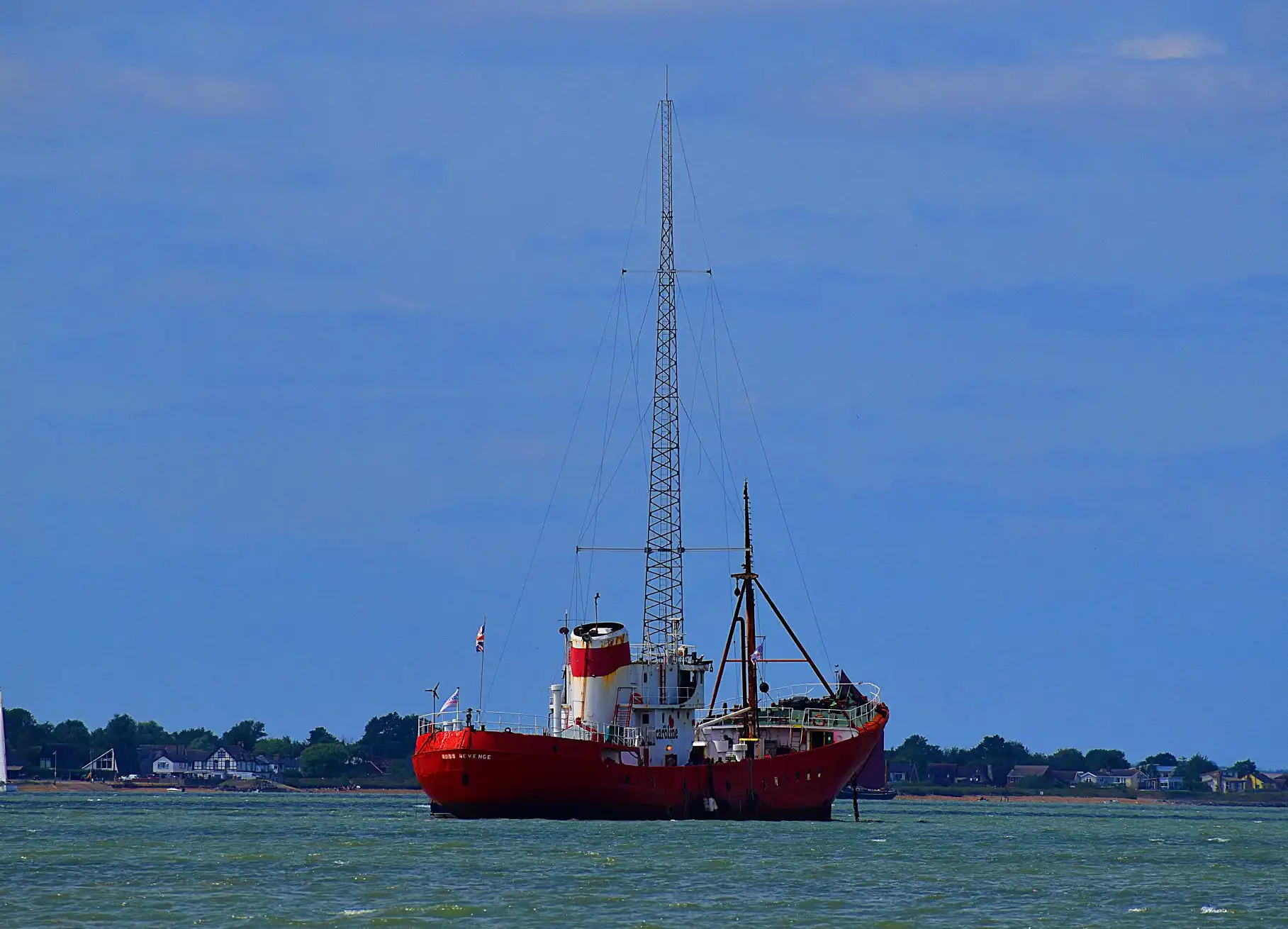
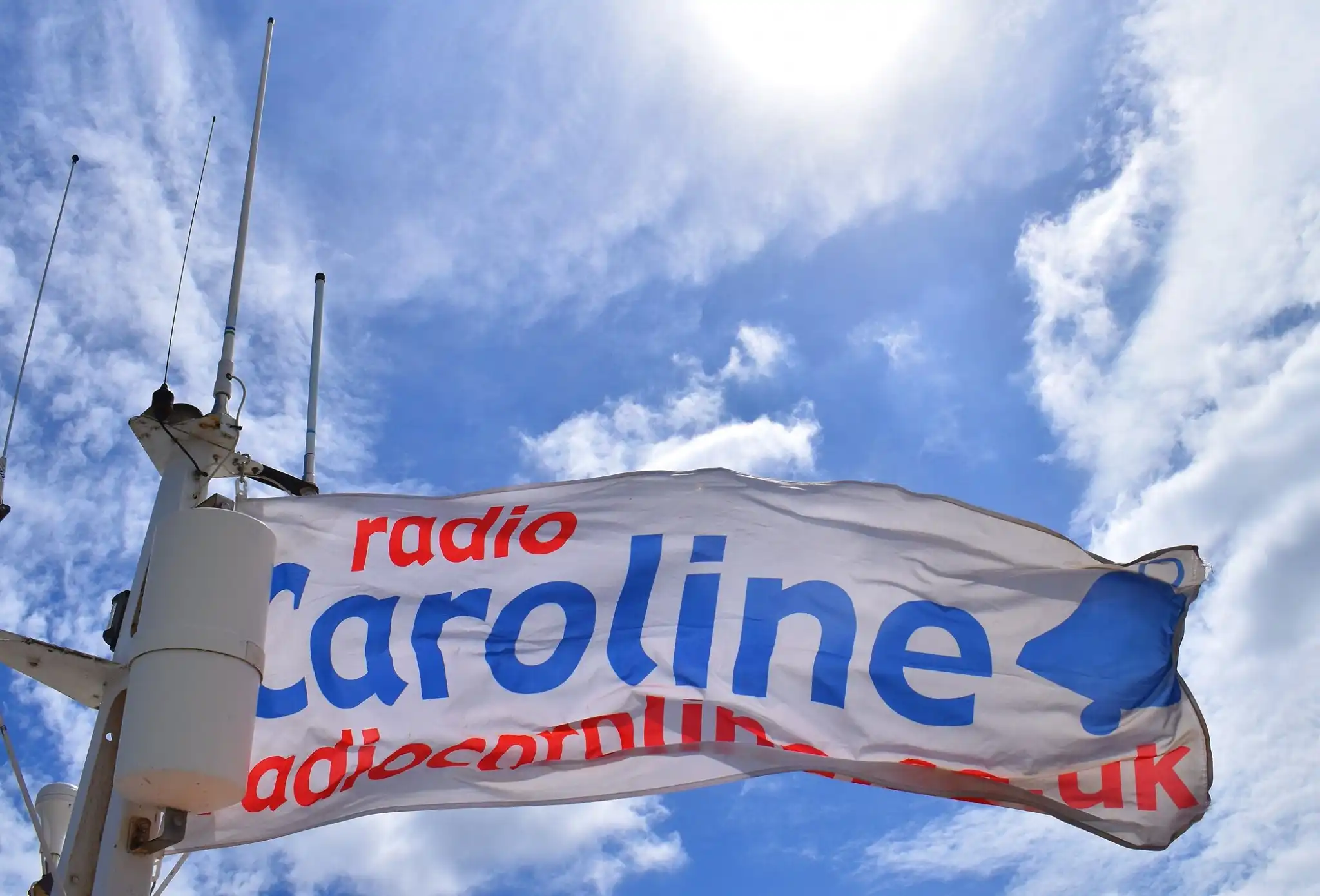
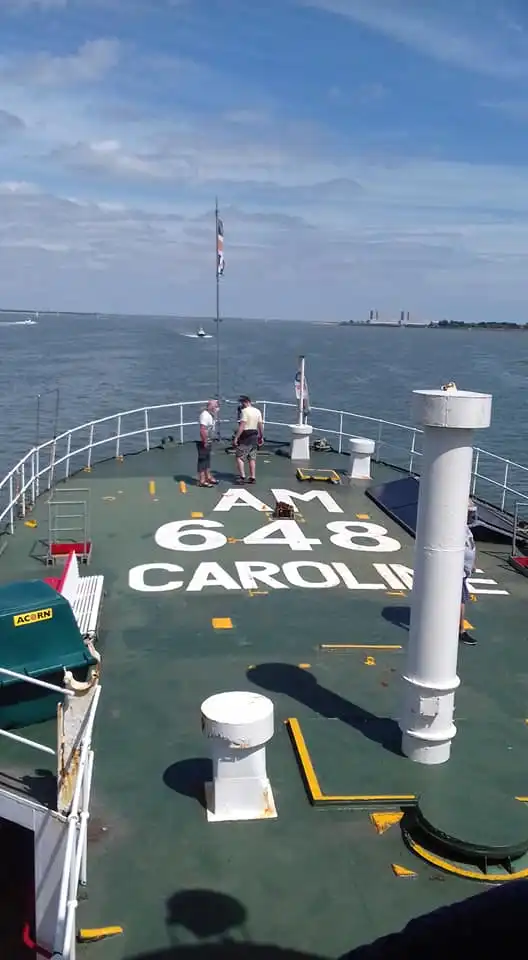
Radio Caroline-Schiff “Ross Revenge” (Bild: ©Radio Caroline)
Schnellstmöglich sollen Sendungen von der reparierten MV Ross Revenge auf dem Fluss Blackwater in Essex realisiert werden. Betreiber Peter Moore verspricht dieselben Mitstreiter bei gleichbleibendem Format.
In den letzten Jahren konnten die Sendungen nur über digitale Verbreitung verfolgt werden. Mit einer Community Radio Licence der Ofcom ist Empfang nun terrestrisch via Mittelwelle möglich.
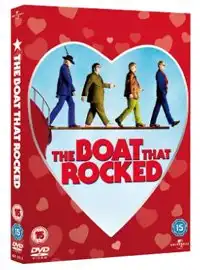
Die 1964 gegründete Station war sogar Thema eines Films: Richard Curtis nannte seine Hommage “The Boat That Rocked”.
Über weitere Community Radio-Lizenzen der Ofcom für die Mittelwelle können sich freuen:
Update:
Wie Radio Today berichtet, will Caroline auf einer prominenten Frequenz senden: mit inzwischen bewilligter Leistung von 1 Kilowatt ERP wird die 2011 von der BBC aufgegebene Mittelwellenfrequenz 648 kHz wiederbelebt. Der extra importierte Sender wurde entsprechend modifiziert. Einige Sendungen sollen in Kent und andere auf der “Ross Revenge” produziert werden.
Update vom 11.11.2017
Am Samstag Vormittag, am 11.11.2017, begannen die ersten Testsendungen von Radio Caroline auf der Mittelwelle 648 kHz. Nun ist der legendäre Piratensender wieder dort, wo er Ostern 1964 begonnen hatte: auf der Mittelwelle, die in Deutschland von fast von allen Radiosendern inzwischen verlassen wurde. Der Empfang in Deutschland sollte wegen der geringen Sendeleistung von 1 kW aber dennoch nur schlecht möglich sein. Überprüfen kann man den Empfang über einen der vielen WebSDR-Seiten, die solche Frequenzen im Internet zugänglich machen, z.B. hier.
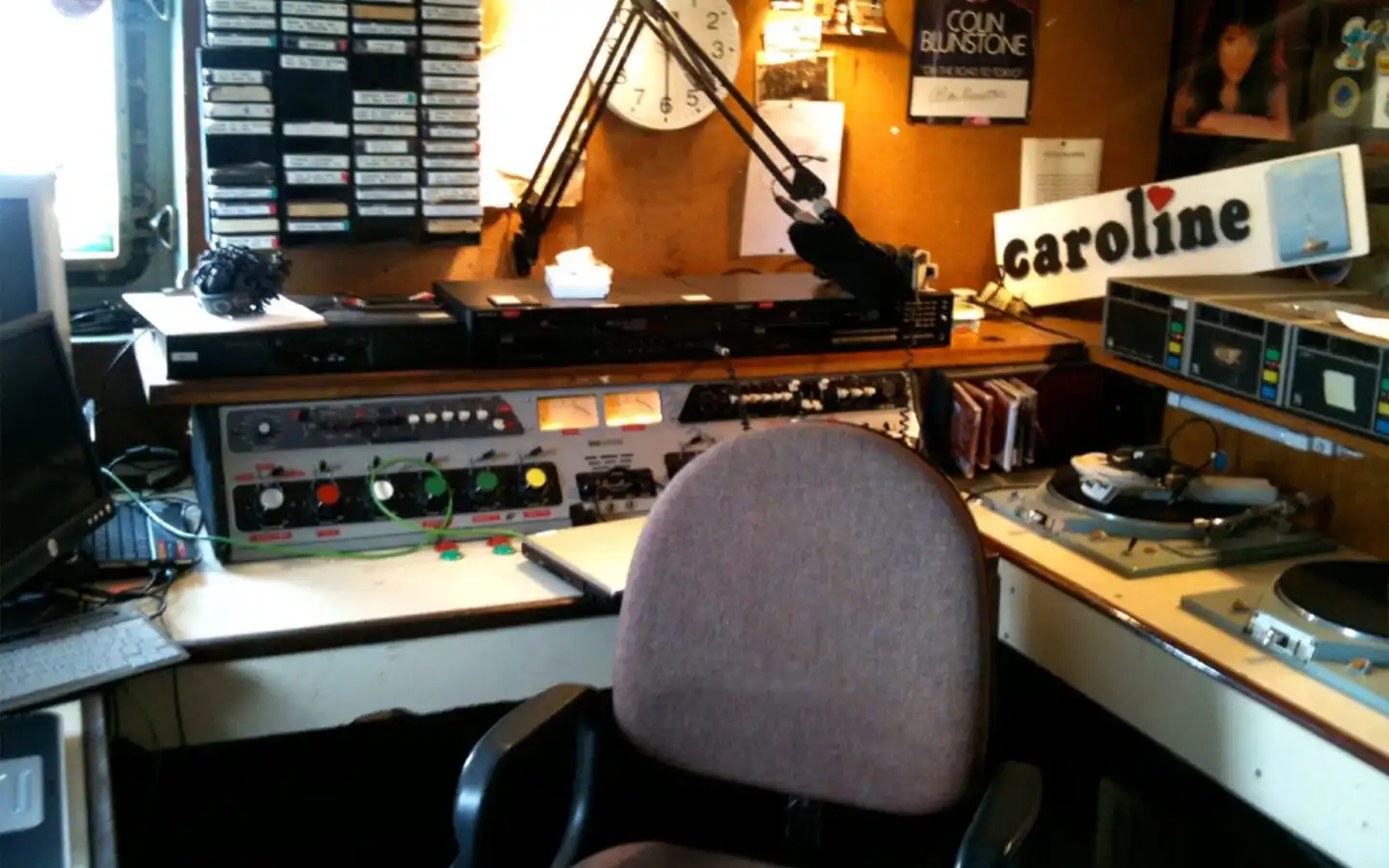
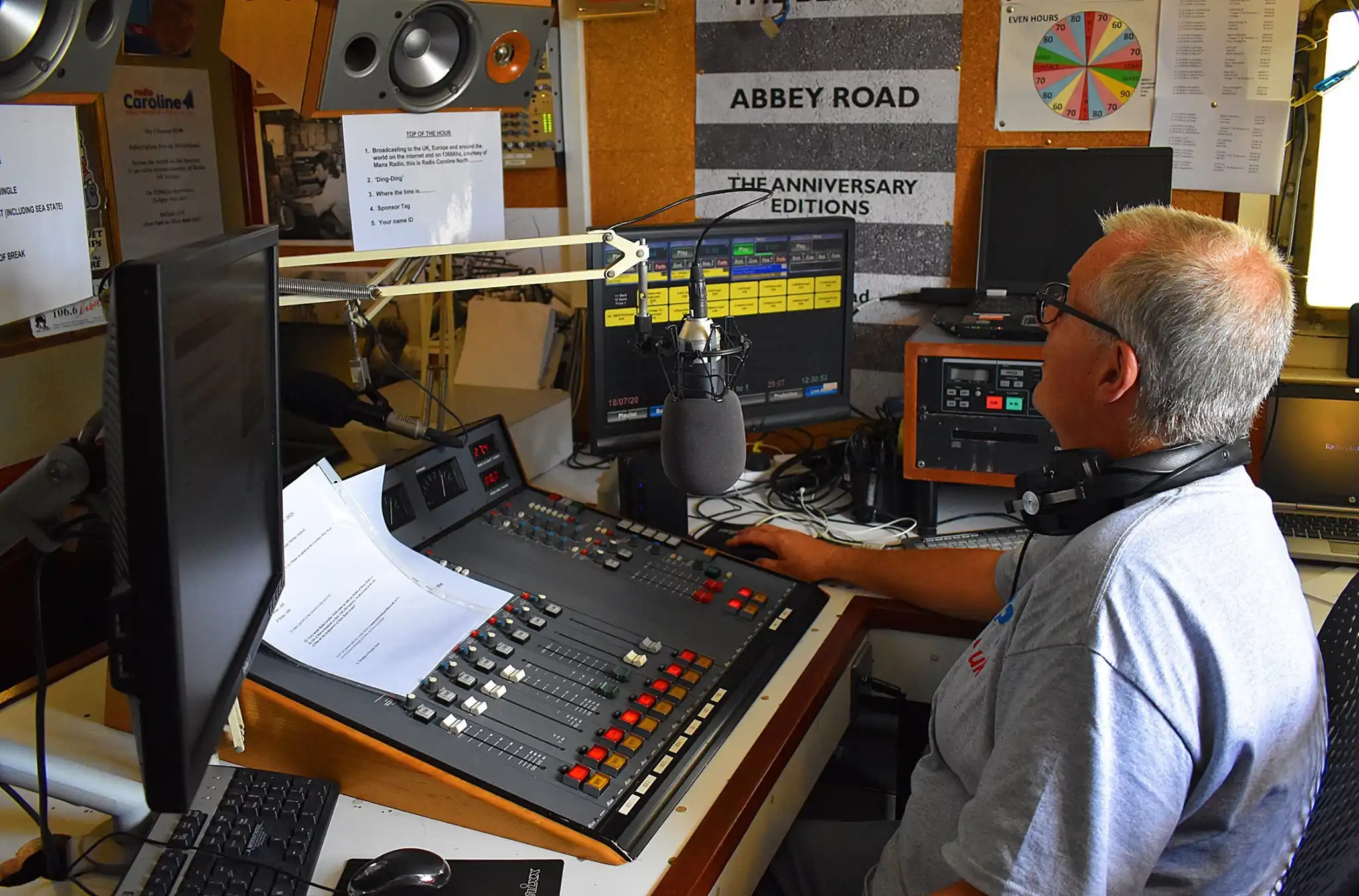
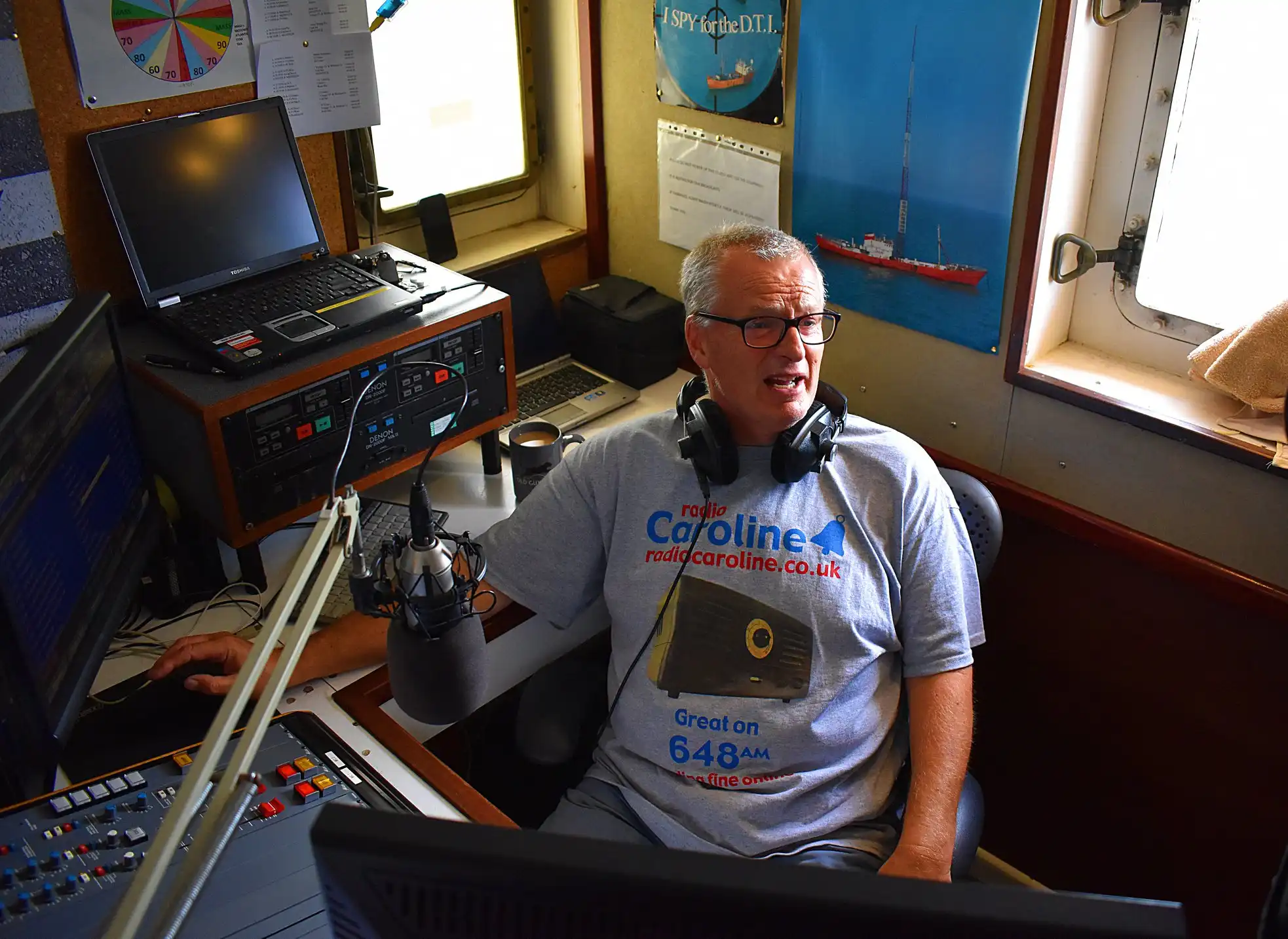
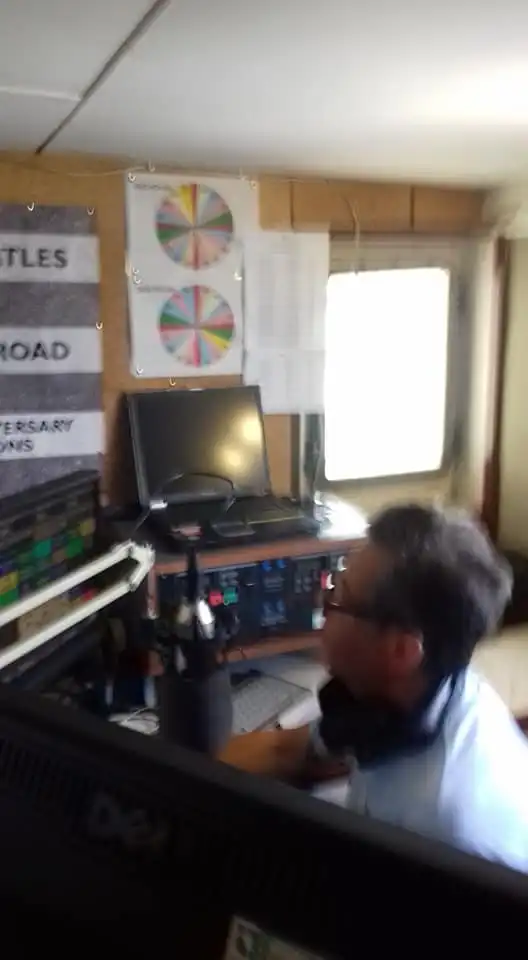
Radio Caroline-Studio (BIld: ©Radio Caroline)
Im Testprogramm laufen zur Zeit nur Rock und Pop-Klassiker mit gelegentlichen Ansagen: “This ist an engineering test from Radio Caroline on 648 kHz. Full tests and normal programme will commence shortly. We would appreciate reception reports to Radio Caroline via a link on our Website RadioCaroline.co.uk or by post to PO Box 12524, Maldon, Essex, CM9 9EX.”
Seit vielen Jahren schon sendet Radio Caroline als Webradio und ist in einigen Gebieten Großbritanniens auch via DAB+ zu hören.
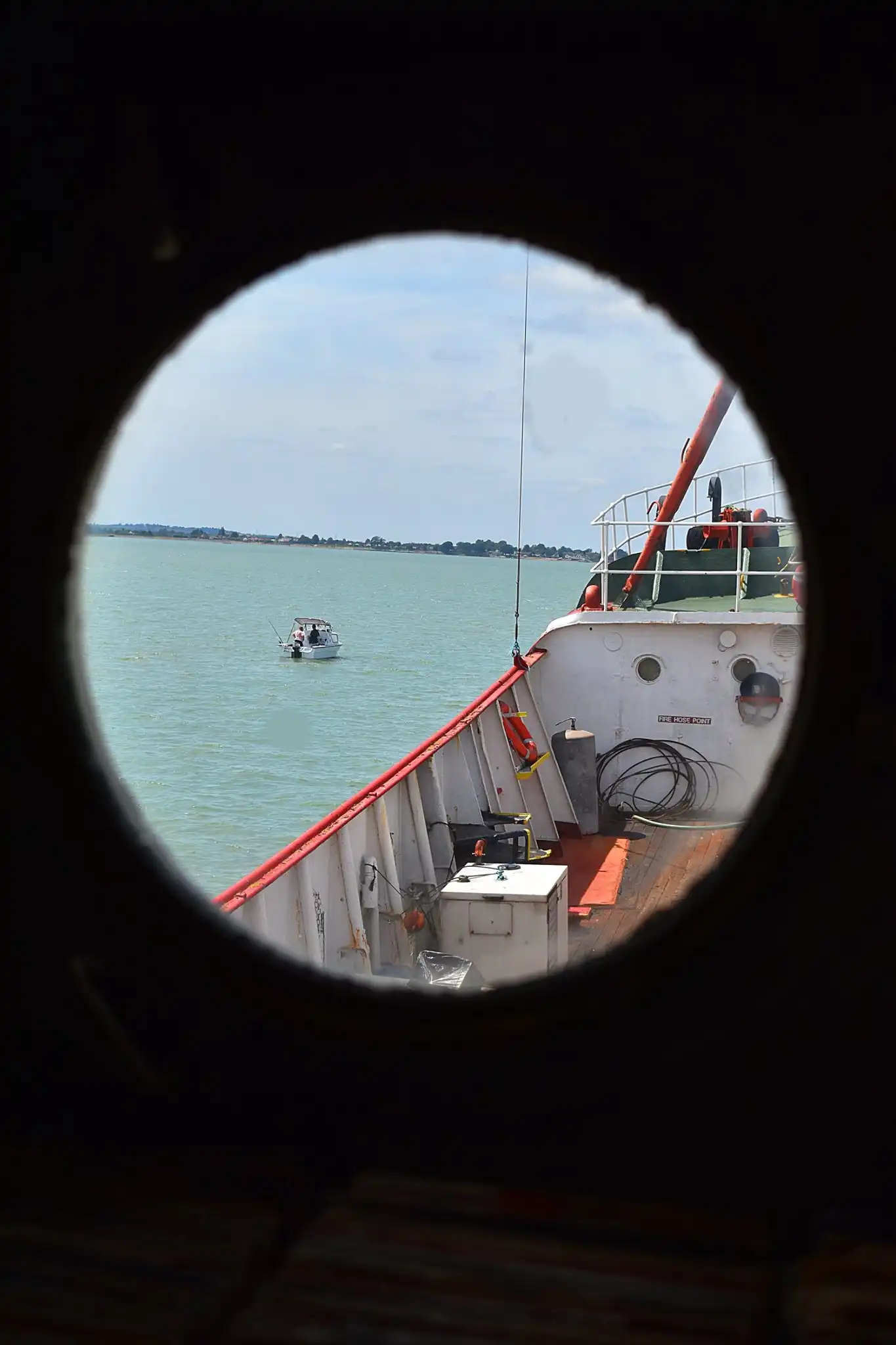
Radio Caroline-Sendeschiff Ross Revenge (Bild: Colm L’aoi)
Update vom 14.11.2017
Die Testsendungen von Radio Caroline wurden wieder beendet. Die regulären Sendungen sollen auf der Mittelwelle bald starten.
Update vom 19.12.2017
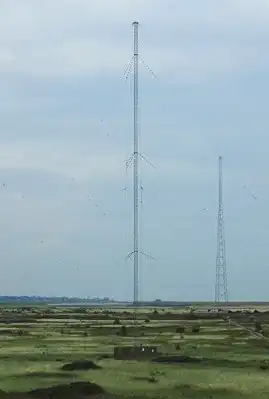
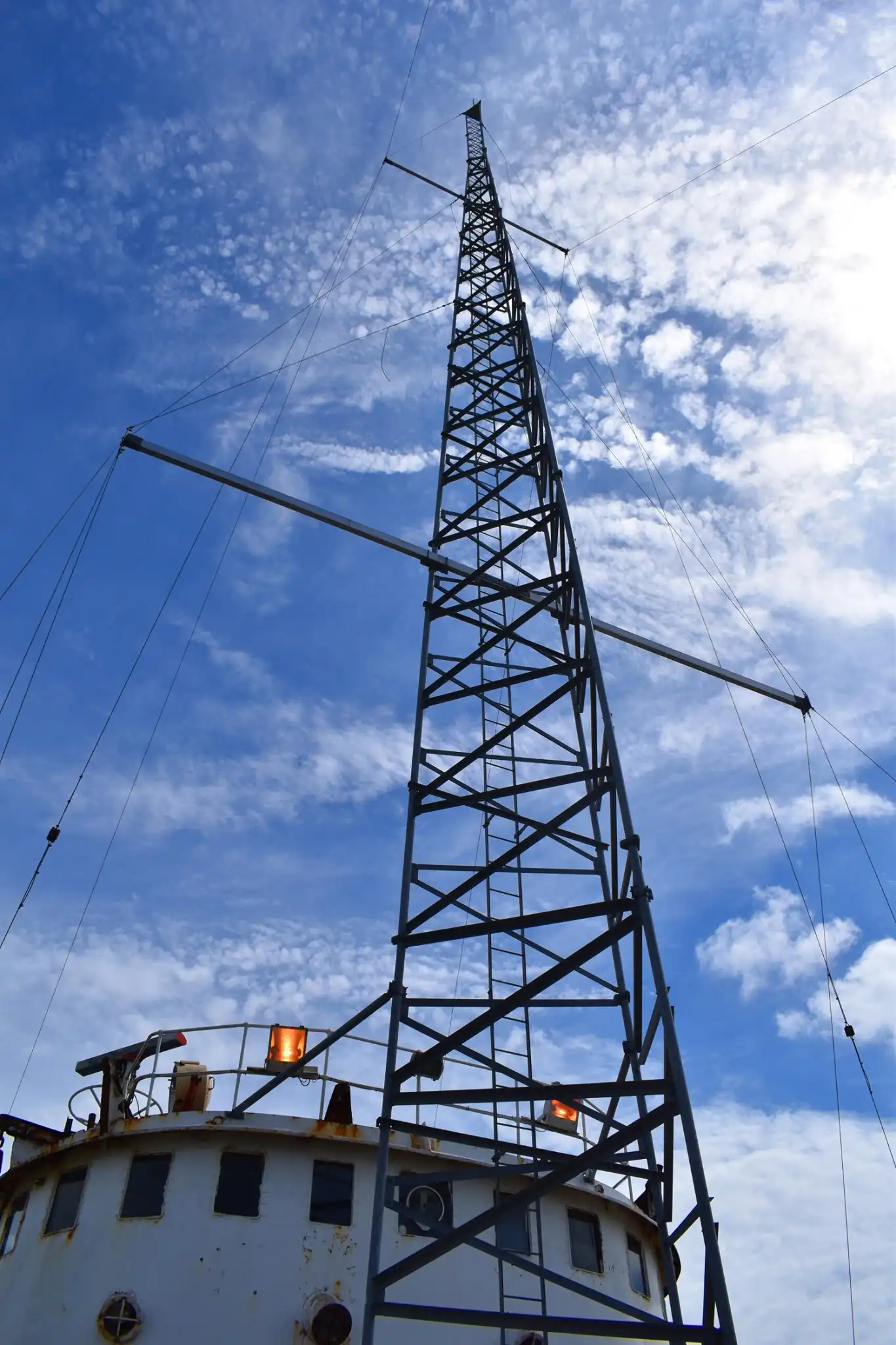
radio Caroline Antenne auf 648 kHz (Bild: Radio Caroline)
Radio Caroline will offiziell am Freitag, dem 22.12.2017 ab 8 Uhr auf Mittelwelle 648 kHz starten – wenn die Wetterbediungungen und die Technik es zu zulassen sogar vom Sendeschiff Ross Revenge.
Für den Tag ist folgendes Sonderprogramm geplant:
8 Uhr – Johnny Lewis
10 Uhr – Top 15
11 Uhr – Ray Clark mit Eröffnungshow um 12 Uhr
15 Uhr – Kevin Turner
17 Uhr – Rückkehr zum normalen Programm
Link-Tipps:
Caroline 648 jetzt live hören
Background: Geschichte der Frequenz 648 kHz
Weiterführende Informationen:
AM Licence application
Mitteilung der Ofcom
Bericht der Daily Mail
“Radio Rock Revolution”: Das Boot, das absoff
Radio Caroline auf 648 KHz
Radio Caroline kehrte Ende 2017 als legaler Sender auf 648 Khz AM in das mittlere Wellenband zurück, nachdem sie die OfCom-Lizenz für die Gebiete Essex und Suffolk im Südosten Englands beantragt und erhalten hatte.
Sie können uns in Suffolk und den meisten Teilen von Essex stark hören, wobei das Signal allmählich weiter entfernt abfällt. Diejenigen mit "guten" Funkgeräten oder Kommunikationsempfängern können uns in beträchtlicher Entfernung von unserem Sender hören, abhängig von den örtlichen Bedingungen und anderen Faktoren.
Es war ein langer Prozess, so weit zu kommen, wie Sie weiter unten im Abschnitt "AM-Lizenzantrag" lesen können. Dies hat der Station jedoch einen enormen Schub verliehen und dazu beigetragen, dies zu beweisen, trotz des aktuellen regierungsübergreifenden Trends, AM zugunsten von AM fallen zu lassen DAB, es gibt immer noch genügend Interesse an altmodischem "Dampfradio" - und tatsächlich an Leuten mit Funkgeräten, die es empfangen können.
Sendeleistung und Standort
In den "wässrigen drahtlosen" Tagen mussten Radio Caroline und andere Offshore-Radiosender Funkschiffe mit leistungsstarken Sendern einsetzen, um in das Gebiet ihrer Wahl zu senden. Heutzutage ist mit einer effizienten Antenne an einem geeigneten Ort an Land keine extrem hohe Leistung mehr erforderlich - obwohl unser zugewiesenes 1-Kilowatt-ERP unsere Ingenieure herausgefordert hat, die beste Übereinstimmung zwischen Sender und Antenne zu erzielen, um jedes Milliwatt unserer Leistungszuweisung zu komprimieren den Luftmast hoch!
Unser (gebrauchter) Nautel-Sender befindet sich auf dem ehemaligen BBC World Service-Gelände in Orford Ness, eine Ironie, die uns nicht entgangen ist. Wie wir auf diese Pflaumenseite gekommen sind, können Sie auf der Seite Die Geschichte von 648 kHz nachlesen.
Die Seite ist jedoch nicht für die Öffentlichkeit zugänglich und auf einer Insel zu sein, ist für niemanden zugänglich, außer für diejenigen, die dort Vollzeit arbeiten.
Oktober 2019 Wartungsbericht
Am Freitag, den 11. Oktober, machten unsere Ingenieure einen langen geplanten Besuch auf unserer 648-Sender-Site, um die Ausrüstung allgemein zu optimieren und zu warten.
Es war vor zwei Jahren, als wir die Ausrüstung im Oktober 2017 in Orford Ness installierten und wir wussten, dass ein zukünftiger Zugang für Wartungsbesuche eine sorgfältige Planung und Anordnung erfordern würde. Nicht nur, weil es sich an einem abgelegenen Ort befindet, der nur mit dem Boot erreichbar ist, sondern auch, weil unsere Ingenieure alle 100 bis 200 Meilen entfernt wohnen und ihre eigenen Arbeitspläne haben. Es ist ein Test für die Qualität des 25 Jahre alten Nautel-Senders und der anderen Geräte, die von unseren Ingenieuren fachmännisch installiert wurden, dass er 2 Jahre lang ohne einen einzigen Wartungsbesuch betrieben wurde - etwas, das unvorstellbar war, als wir auf See waren und Ausrüstung brauchte fast ständige Aufmerksamkeit. Unser Telemetriesystem vor Ort meldete jedoch kleinere Probleme nach Gewittern im Spätsommer, und in den letzten ein oder zwei Monaten waren unsere eigenen Beobachtungen und Kommentare von Zuhörern, dass unser Signal nicht mehr so gut war wie früher.

In the early 1960s, Britain didn’t have the roaring music scene that you might expect.
There was only one commercial television network online, and the airwaves were owned entirely by the British Broadcasting Corporation (the BBC).
Unfortunately for those in search of fun and frivolity, the BBC was committed to delivering some of the tamest transmissions it could find. Tuning into the BBC “Light” and “Home” channels would give you a reliable, but often bland stream of news, playful entertainment, and children’s programmes. In other words – we weren’t anywhere near the rock and roll revolution that was happening in the United States.
Fortunately, there were plenty of rebels in the UK, ready to shake things up.
A group of rock-loving disc jockeys refused to be held back by the legislation and regulations of the early 1960s. Many ambitious DJs decided that if they couldn’t do what they wanted with British broadcasting on land, they would take to the seas instead.
Anchoring on the Eastern coast of England, the pirate radio revolution was born, defined by the enigmatic hosts that committed themselves to broadcasting songs from illicit bands like the Rolling Stones.
This is where the history of Radio Caroline began.
The Radio Caroline pirate ship was probably one of the best-known “unofficial” radio stations in Britain. By sticking to off-coast locations, the boat ensured that it could remain outside of the legal reach of the British authorities. Without any broadcasting laws to hold them back, the DJs on boats like Radio Caroline gave their listeners the raw, authentic music and entertainment they were looking for.
These rock-and-roll pirates changed radio forever.
So, when did Radio Caroline start?
In the early 1960s, music fans weren’t exactly spoilt for choice with their selection of radio stations. There were two primary broadcasting stations to choose from – the BBC, and Radio Luxembourg.
BBC’s Radio Light was a relatively simple affair, hosted by “presenters,” rather than people you could call DJs or disc jockeys. These suave men included people like Pete Murray and David Jacobs, who played a handful of new records from artists like Cliff Richard, heavily interspersed with jazz and classical music.
For some people, the radio offered by the BBC INTERNAL LINK TO BBC ARTILE at the time was enough to suit their tastes. However, the vast majority of the nation’s youth wanted something more, and entrepreneur Ronan O’Rahilly was determined to give it to them.
Ronan was a savvy businessman who had already taken the UK by the storm at the young age of 25. He ran a club in the Soho district of London called “Scene,” and worked in PR for actors, pop-singers, and models. O’Rahilly also had a close relationship with the male model, George Lazenby who played James Bond during “Her Majesty’s Secret Service.”
Ronan’s musical connections included Georgie Fame – an eclectic keyboard player known for jazz and blues. When Fame struggled to have his music heard, O’Rahilly formed a new record company to place his songs on a disc and delivered the result to Radio Luxembourg, and the BBC. When neither station would broadcast his client’s music, Ronan decided that he would create a radio station of his own – and he wouldn’t go to the government for a licence to do it.
Before the history of Radio Caroline began, offshore radio was already a well-known concept. The BBC owned the monopoly for the British airwaves, and various stations decided that the only way to gain their own piece of the broadcasting environment was to go into national waters. Scandinavia had begun to make the idea popular back in 1958, followed by Dutch stations like Radio Veronica in Holland.
Of course, launching something like the Radio Caroline pirate ship wasn’t easy. For one thing – you needed a boat to get started. Fortunately, O’Rahilly’s father was the owner of a port in Northern Ireland, where they had access to a passenger ferry named the MV Frederica.
With a little help from his record company and various investors, O’Rahilly raised the funds required to transform the MV Frederica into a pirate radio ship. He anchored the newly-named Radio Caroline on the Northern Sea near Essex and put the word out that he needed disc jockeys.
On Easter Sunday, 1964, the voices of Chris Moore and Simon Dee introduced Radio Caroline to the world with the song “It’s All Over Now” by The Rolling Stones.
One of the biggest questions in Radio Caroline history is: “Who was the ship named after?”
According to tales from the DJs that previously broadcasted on the station, the name “Caroline” was chosen by the founder of the station, Ronan O’Rahilly. He was inspired to give the ship the same name as President John F Kennedy’s daughter, Caroline Kennedy.
In a story about the Radio Caroline pirate ship, Ronan revealed that he was inspired by a picture that he saw of Caroline crawling around under her father’s desk in the Oval Office. Instead of asking his daughter to leave the crucial business meeting, Kennedy stopped the conference entirely so he could have a few moments to play with her.
According to O’Rahilly, that’s precisely the kind of personality and atmosphere he wanted for his radio station. He wanted Radio Caroline to be playful and disruptive.
At the time, John F Kennedy was the most powerful man in the world, and Ronan was inspired by his decision to stop a crucial meeting in favour of his daughter. Additionally, the Kennedys were an attractive family to Ronan too. They were also Irish outsiders, just like him, who represented a challenge to the existing state of things.
Any station, including the Radio Caroline, would be nothing without its disc jockeys.
According to Johnny Walker, one of the best-known DJs on the Radio Caroline pirate ship, the jockeys on the station were united by their love of music. They all wanted to hear the music that the BBC refused to play on the air.
Most recently known for his position on BBC Radio 2 before he had to take a break this year for a heart condition, Johnnie Walker was one of the original DJs on Radio Caroline. Before working on the ship, he had been a car salesman, and then a disc jockey on the “Swinging Radio England” station.
When he moved to Radio Caroline, Walker was known for his compelling conversational topics and his commitment to playing the latest rock and roll tunes.
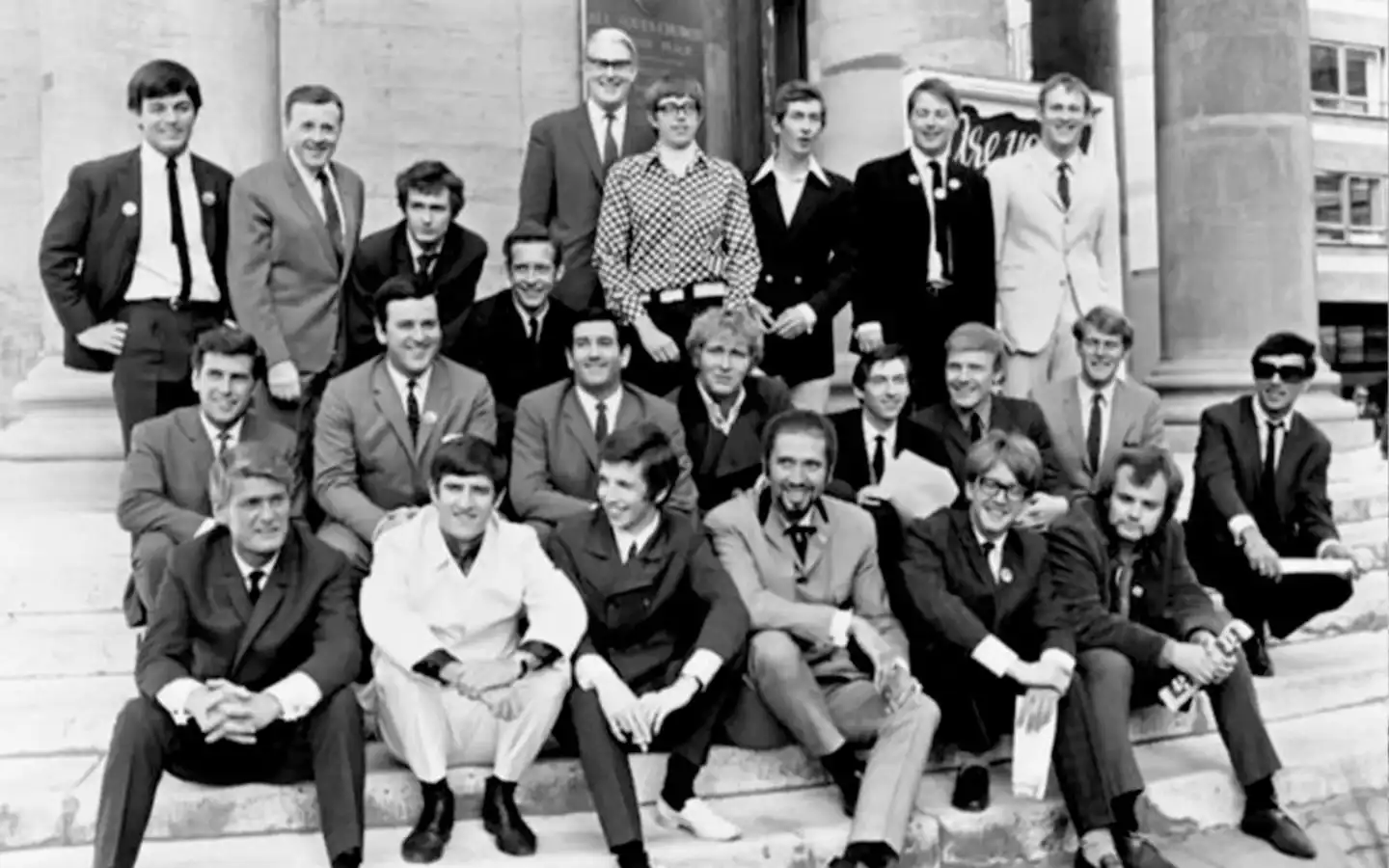
Alongside Walker, Radio Caroline employed about 38 disc jockeys, most of which spent time on both the North and South stations. Many of them found employment with BBC Radio 1 and other stations after the pirate radio movement was shut down.
The first programme hosted in the history of Radio Caroline was delivered by Chris Moore, a man who subsequently entered the Radio hall of fame. The first programme was also sponsored by Simon Dee, a disc jockey that eventually moved into a career with the BBC and Radio Luxembourg.
So, who were the DJs on Radio Caroline? There were plenty, including:
And many more. There were also plenty of DJs that visited the Radio Caroline from the USA and overseas, including Emperor Rosko, Graham Webb, Keith Hampshire, and Colin Nicol. One DJ, Tom Lodge, even took his long-term partner on board with him, who apparently used to walk around the boat wearing see-through negligee. Soon after that, women were banned from the ship, except for short-term visits.
Eventually, the crew and DJs on the Mi Amgio—a competitor pirate radio station—joined with the Radio Caroline pirate ship, leading to even more presenters and DJs on the air.
According to fans of Radio Caroline, no matter who the presenters were, listeners felt as though they were tuning into a secret club every time they listened to a programme on the station. Every day, teenagers would fiddle with their radio dials until they heard the sounds of their favourite presenters, who broadcast away from the restrictions and demands of the BBC and other on-shore regulations.
Radio Caroline even inspired the birth of new pirate radio stations who also docked on the shores of the UK. For instance, Kenny Everett found his memorable voice on the Radio London ship, while John Peel introduced the world to the initial idea of progressive rock.
It’s easy to forget that Radio Caroline wasn’t just a broadcasting station, it was a sea-faring vessel too. To avoid the laws of the UK, the Radio Caroline pirate ship was initially docked just outside of Essex. However, the MV Caroline frequently sailed around the coast of Great Britain, from Felixstowe, to the Isle of Man, broadcasting music and zany shows as she went. Sometimes, the only broadcasting staff on board were Jerry Leighton and Tom Ledge.
Thanks to the movability of Radio Caroline, the ship and its sister vessels were able to cover most of the British Isles, throughout the North and South. At the same time, rivals were appearing along the coast. Australian businessman Alan Crawford created the “Mi Amigo,” which had initially begun as a part of the Radio station for Sweden, Radio Nord. Crawford began broadcasting as Radio Atlanta on the 12th of May – the same year that Radio Caroline was born.
Eventually, Crawford and Ronan decided that they had a “common cause” to share music with the world, and they decided to join forces. The Atlanta and Caroline Radio companies merged in 1964, with both O’Rahilly and Crawford acting as joint directors. Radio Atlanta closed and became “Radio Caroline South,” while MV Caroline was broadcasting as Radio Caroline North. The original Radio Carolina sailed to anchor at the Isle of Man, while Mi Amigo stayed offshore from Frinton.
In October 1965, Ronan O’Rahilly purchased Crawford’s share of the Mi Amigo, and asked Tom Lodge to come on board the Caroline North, and make programme changes that would engage the Radio London audience. New DJs were hired, and by 1966, the group discovered that they had successfully acquired an audience of 23 million.
Radio Caroline even tried to arrange a merger with Radio London, before it started transmissions, but the deal was unsuccessful.
For 3 years, until 1967, the DJs on the Radio Caroline pirate ship broadcast their music and shows 24 hours a day and sold advertising space to make money. With the exception of Radio Luxembourg, no other station had ever sold advertising spaces before. The Caroline station set the pace for the chatty and harmlessly playful radio stations that would come after them – changing the way that we all thought about radio entertainment.
Unfortunately, as the popularity of pirate radio and Radio Caroline continued to grow, so did the demands from various sources that the government should act and shut down off-shore broadcasts. Caroline was claiming enough listeners to take up half of the UK, and the explosion of popularity scared the government, according to Johnnie Walker. In 1967, the Marine Broadcasting Offences Act was officially introduced by the Harold Wilson Labour government.
The act aimed to officially stop pirate broadcasting, denting the pirate movement and forcing some DJs to go back to working on-land. Various popular names found themselves searching for employment on the newly-launched Radio 1 station from the BBC – which was designed in part as an acceptable alternative to pirate stations.
The Radio Caroline pirate ship was forced to move its base to the Netherlands, while other stations like Radio London fell silent. Eventually, the law continued to grow, and a Dutch version emerged in August 1974, pushing the Caroline further out to sea. Despite this, the history of Radio Caroline continued, with various transmissions going out across the world. There was even ongoing noise from the Ross Revenge ship, docked in Santander of Spain.
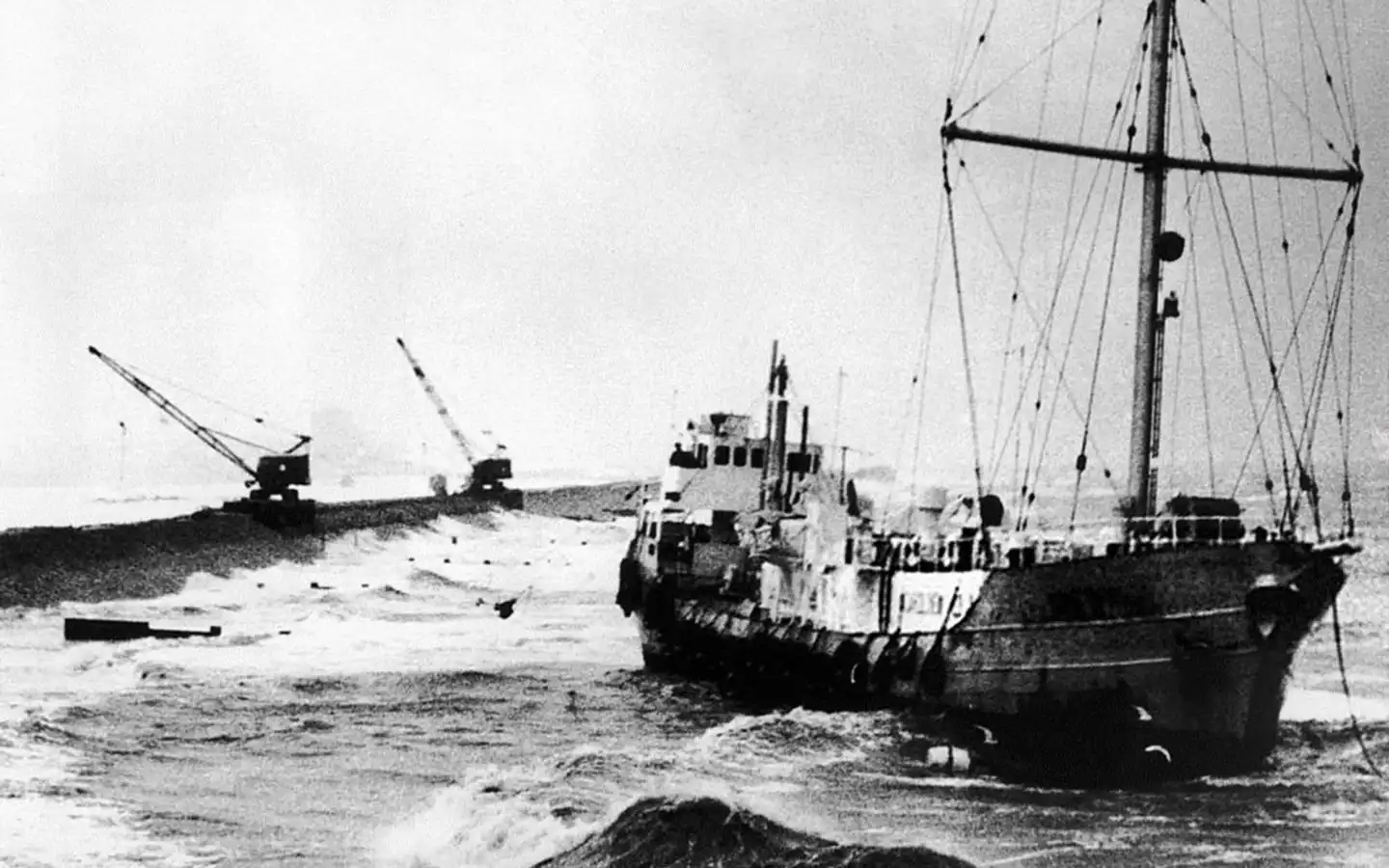
The Radio Caroline ship was affectionately known as the “ship that rocked the world.” However, even the most beloved ship in history wasn’t invincible. Eventually, the Mi Amigo ship known as Radio Caroline South sank into heavy seas after it broke away from its moorings near Southend. The 107-foot ship sank in 25 feet of water and had to be towed by the British Government.
According to DJ Tom Anderson, who was on board at the time, the boat wasn’t in an excellent state by this point in time. The engine didn’t work as it should, and the rudder was a mess. When the ship began to sink because of incoming waves, they had no wheel to steer the vehicle with. All the boat had was a radio station that worked.
Interestingly, after one of the Radio Caroline ships ended up going to its watery grave, O’Rahilly did find a replacement option that he thought the team should paint completely pink. However, one of the Norwegian captain at the time wasn’t impressed by this decision and walked away from the ship. He left a note saying that he refused to be the captain of a pink boat.
Despite issues with the boat, Caroline continued to broadcast, using satellite radio for the most part, instead of the traditional AM brand. Another on-land radio station was even established in Kent, and Caroline became a legal broadcaster in part.
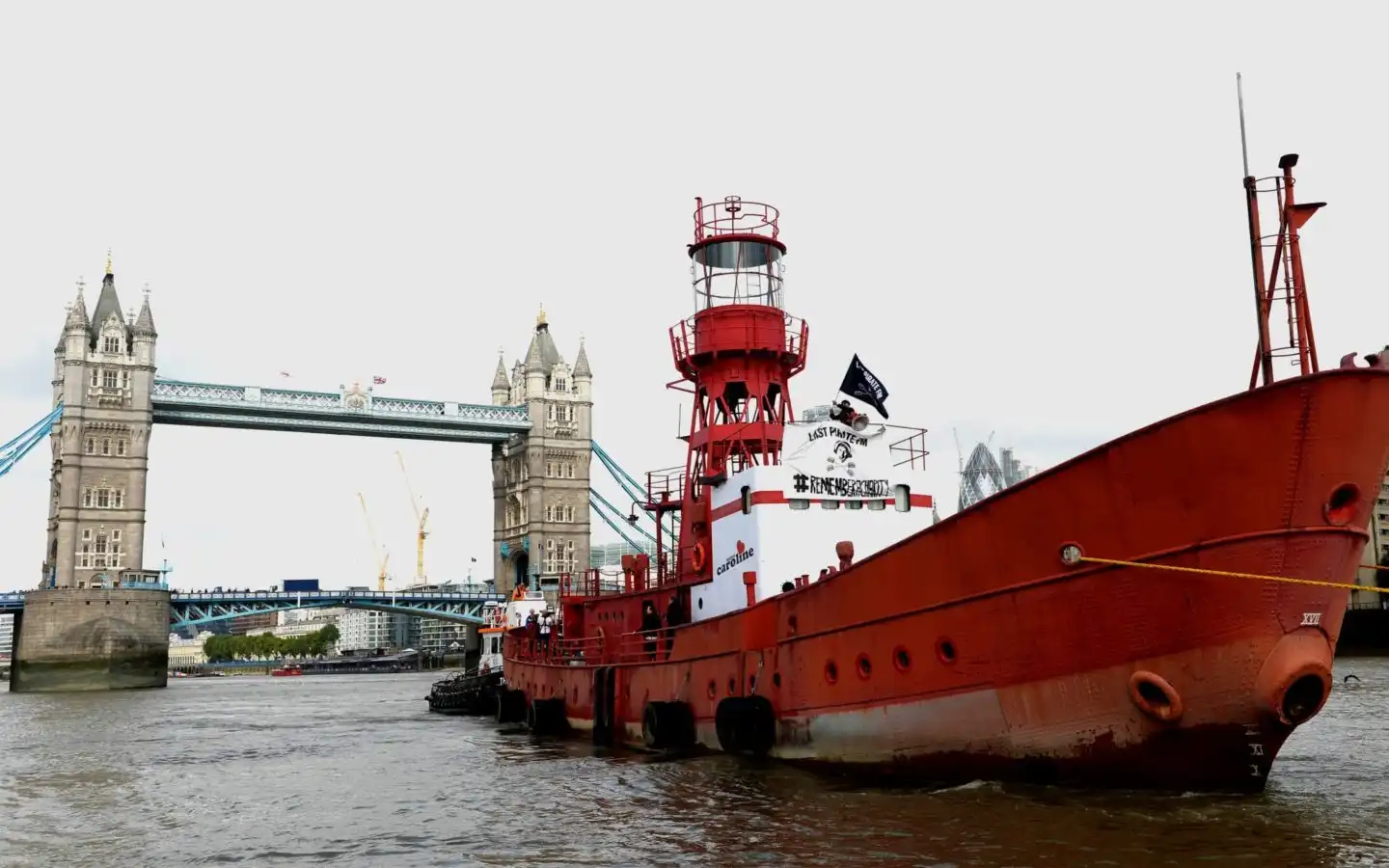
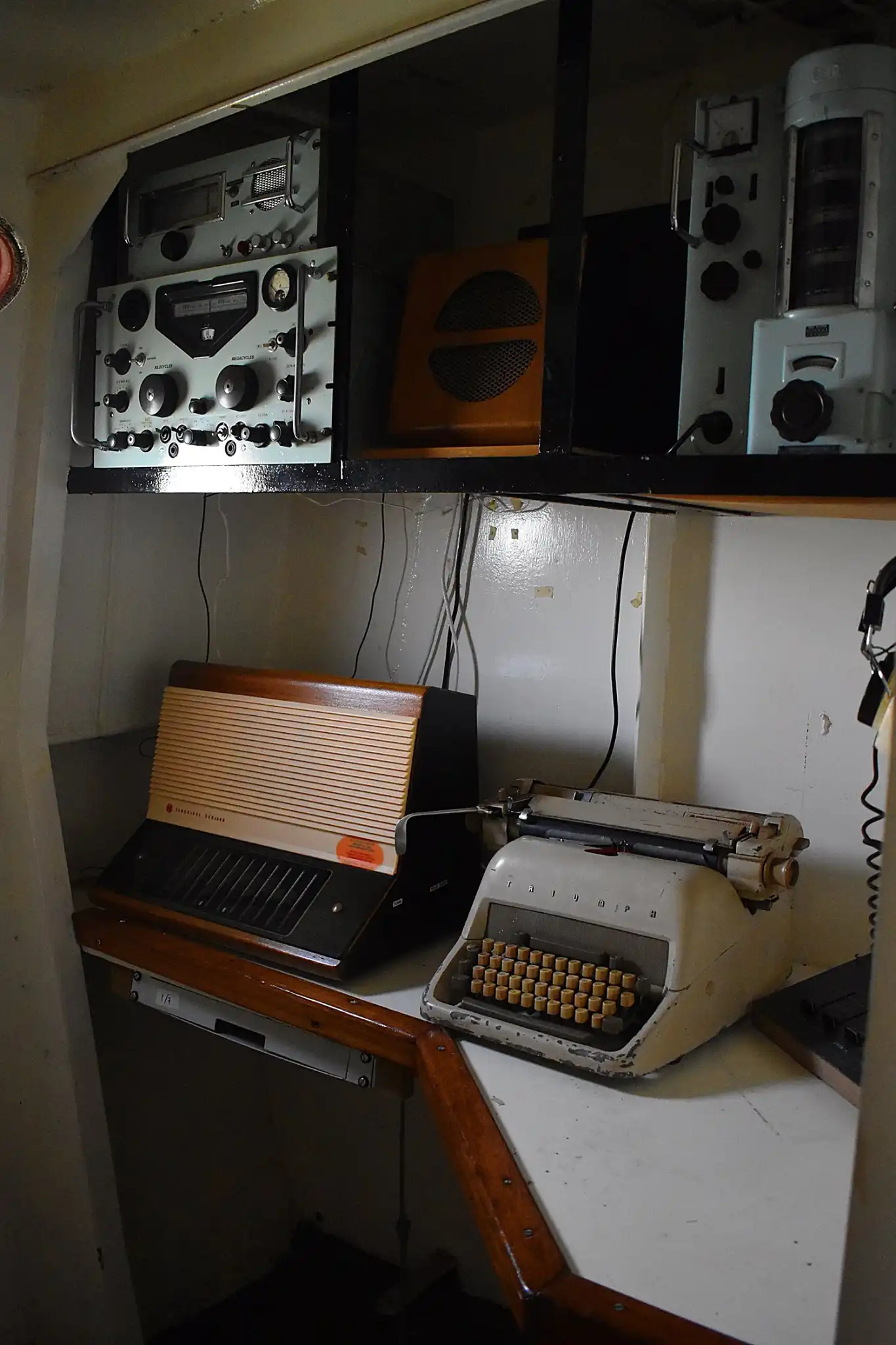
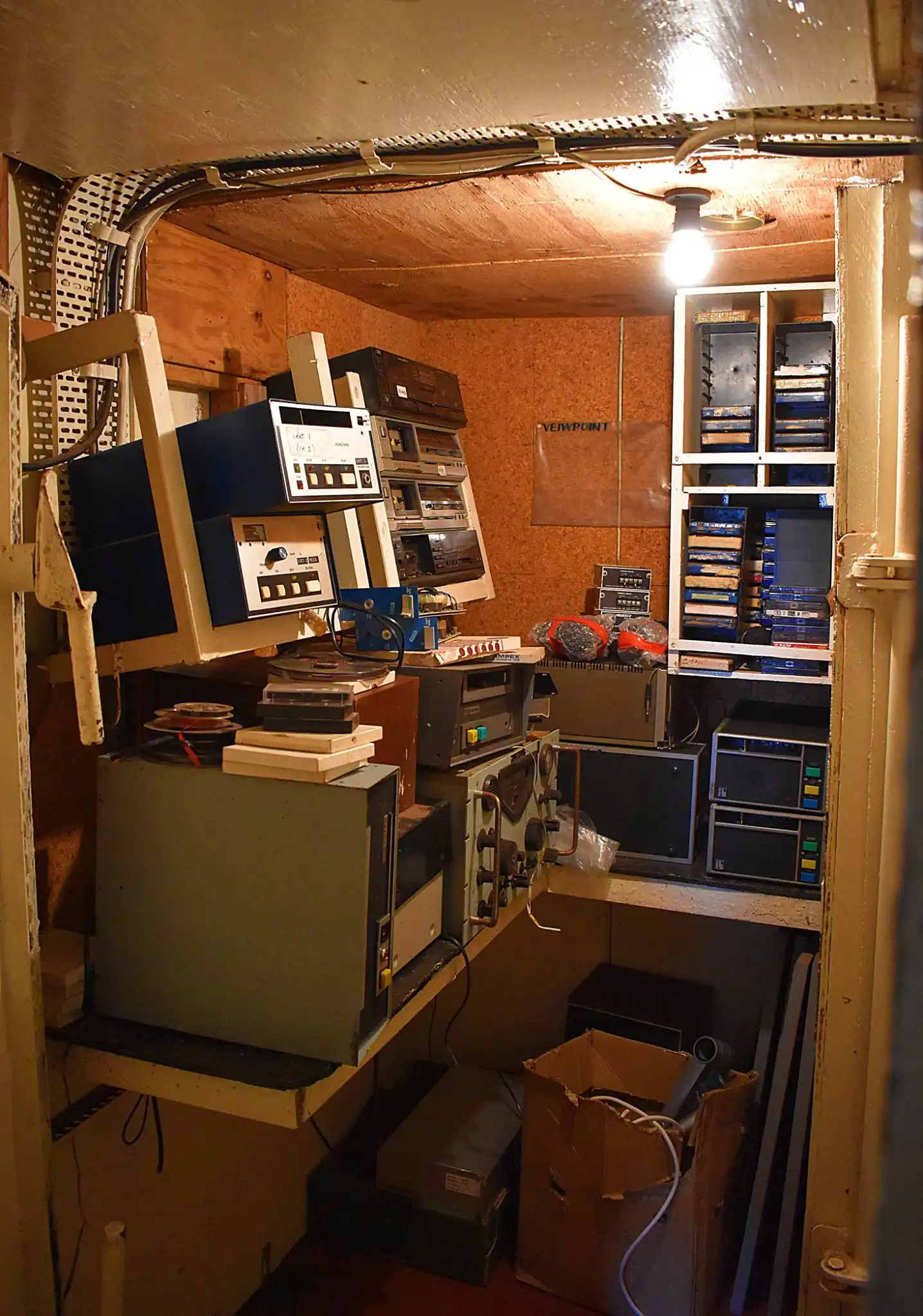
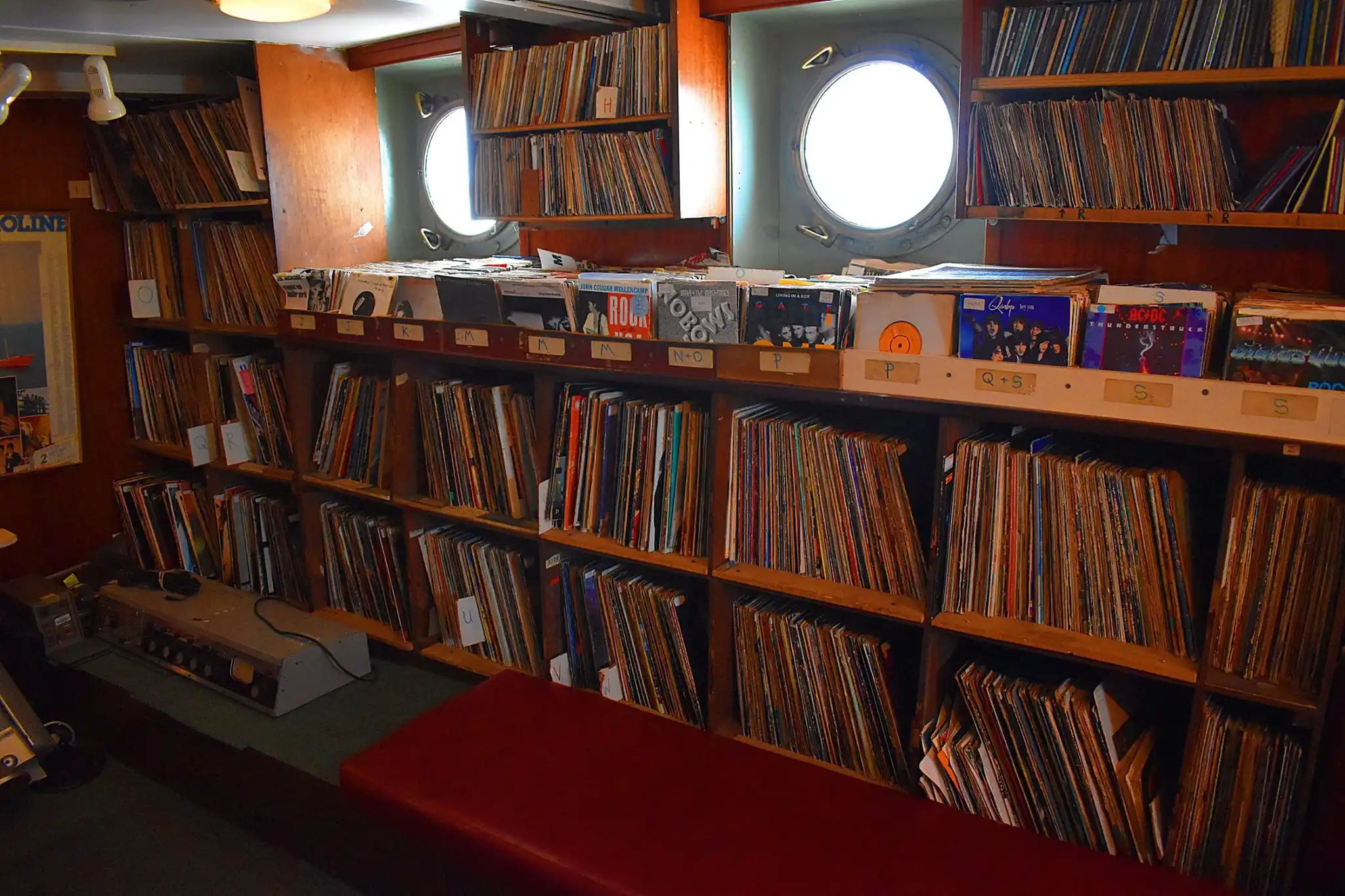
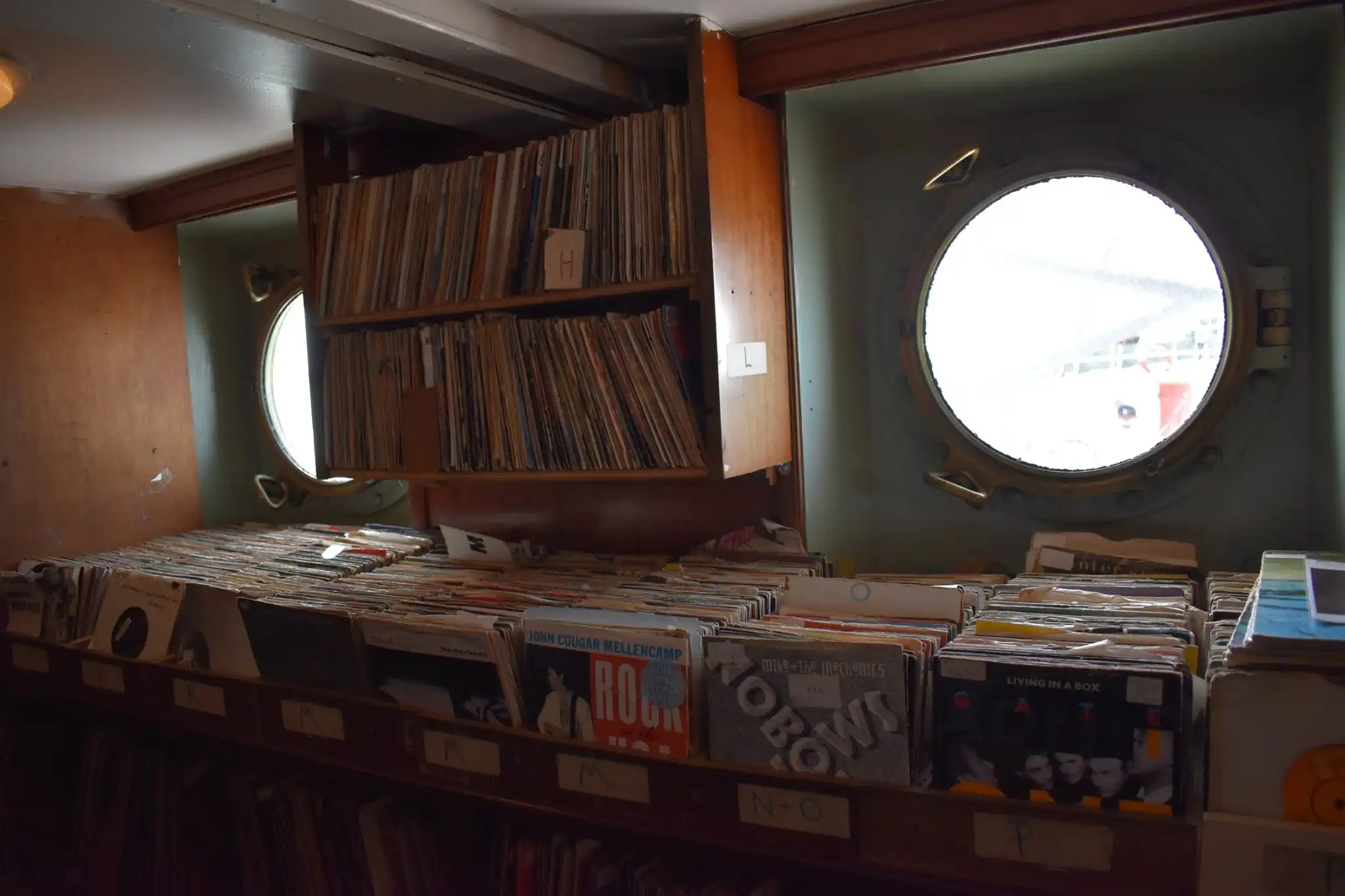
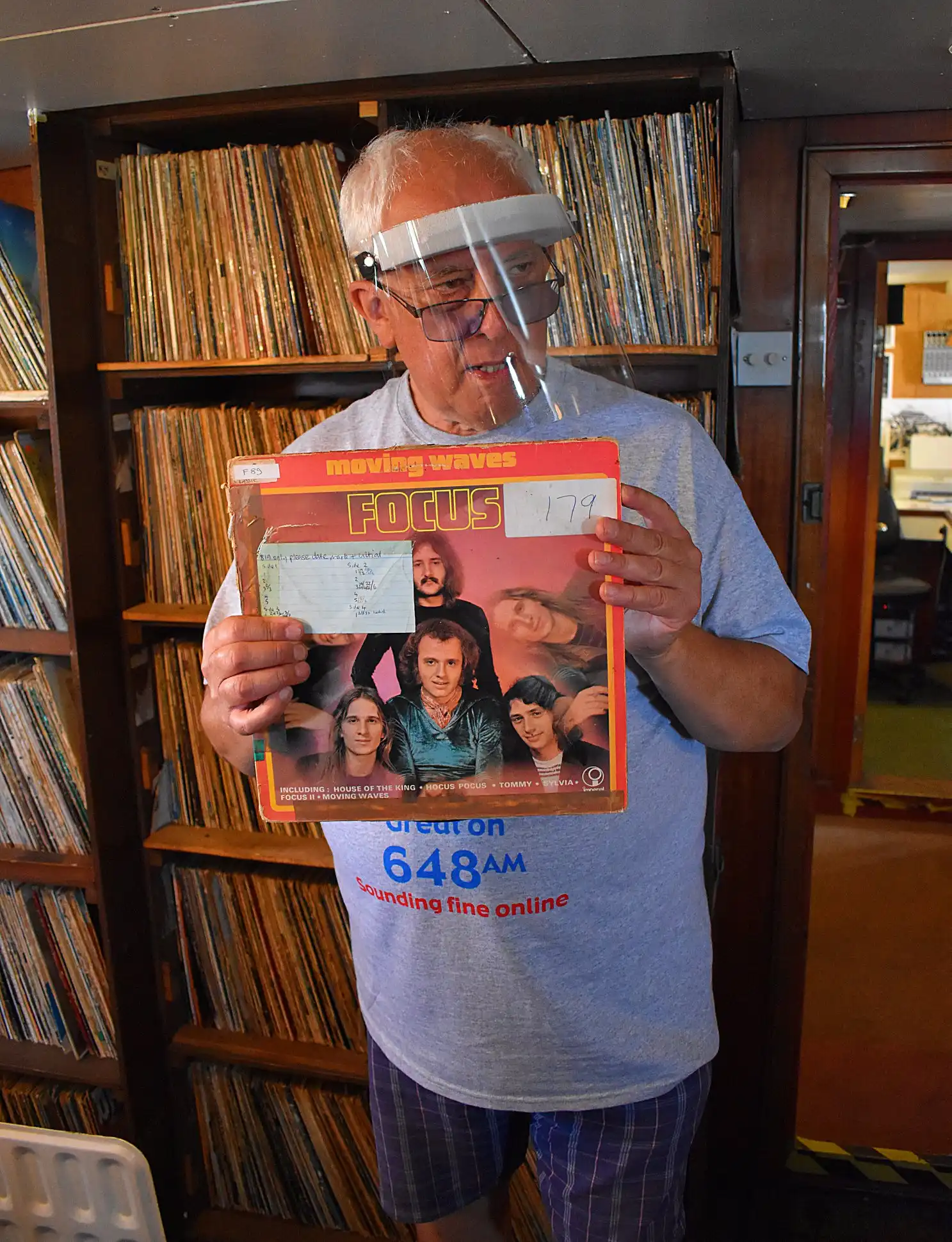
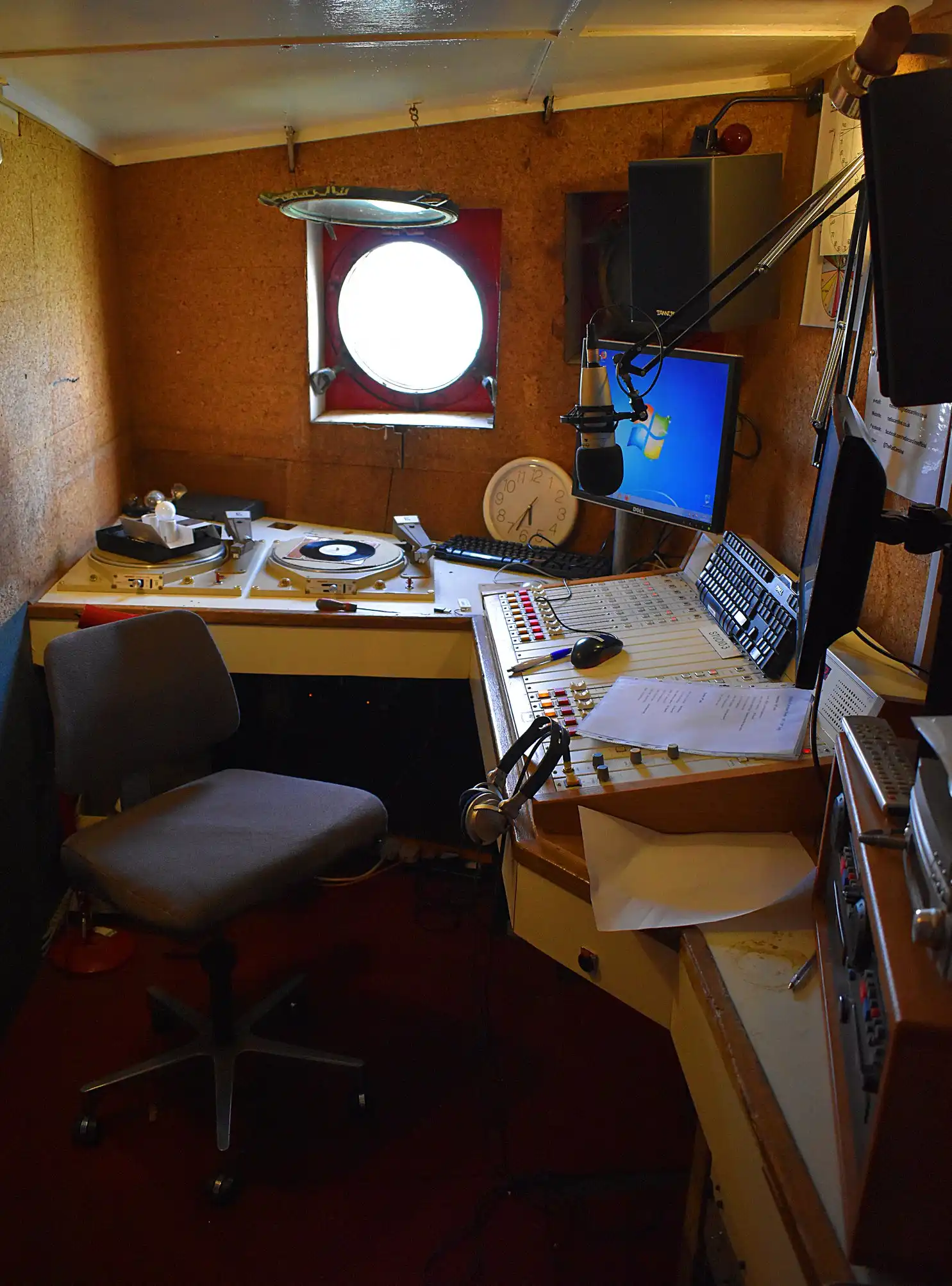
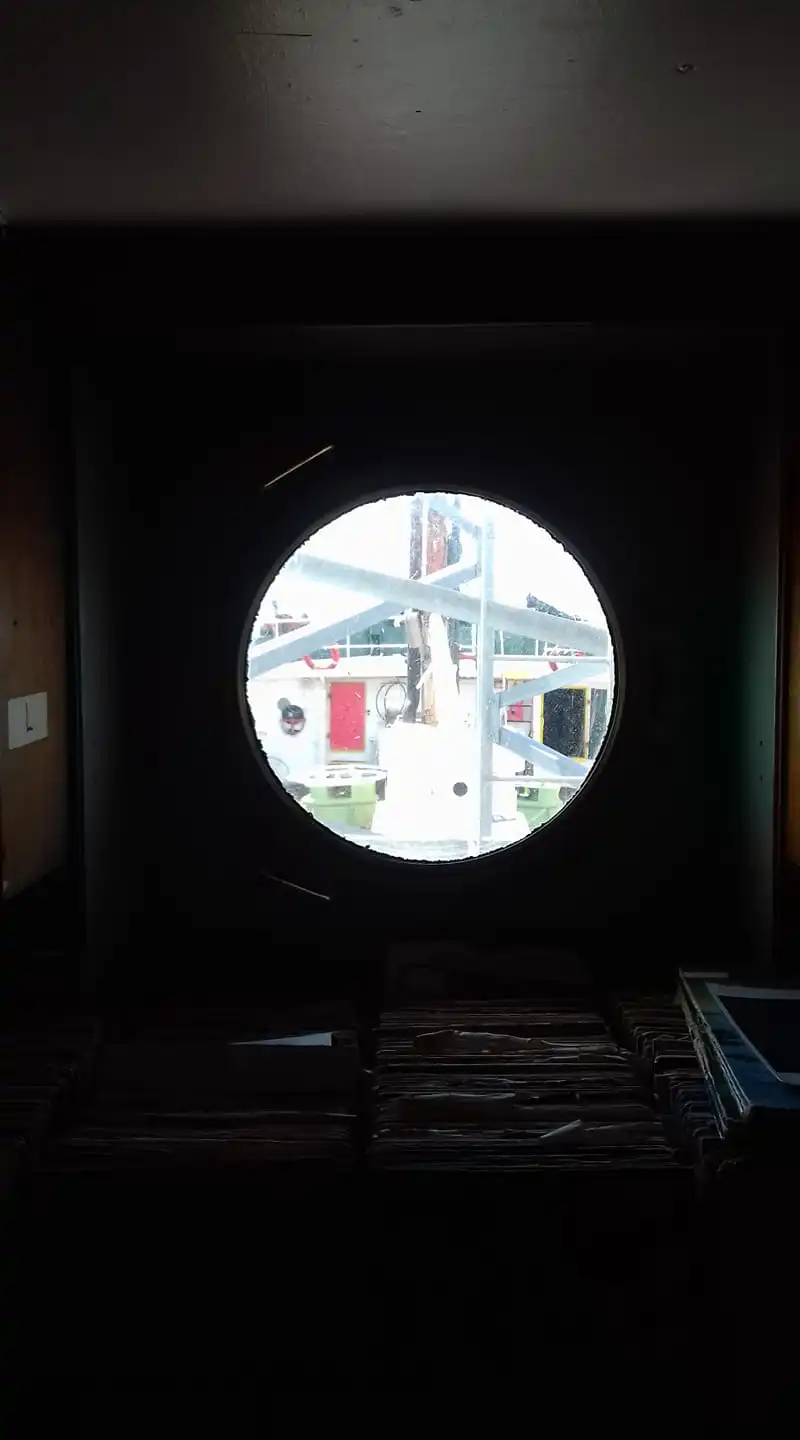
The other Radio Caroline pirate ship (the Ross Revenge) is still alive and well today. It’s spent most of its time hidden on the backwaters of Kent and Essex or hosted on the Tilbury Docks. At times, the boat opens to the public for special events and tours, and it’s sometimes used in conjunction with Manx Radio on the Isle of Man. Visitors to the Ross Revenge can access the Bridge and check out the record library too. In the hull of the ship, you’ll find radio stations still equipped with technology from the 1970s.
It wasn’t always smooth sailing for Radio Caroline.
The history of Radio Caroline has been a complicated one, with sinkings, seizures, numerous wavelength changes, and other issues to contend with. However, somehow, despite everything, the name and the station lives on.
Radio Caroline is now officially headquartered in Kent, and it’s available on the internet, or through Sky wavelengths. Unfortunately, it doesn’t have the same waves and choppiness in the background. In 2018, the new manager of Radio Caroline, Peter Moore successfully applied for a full-time AM broadcast license. Moore announced that he wanted to broadcast from the Ross Revenge ship again, from the River Blackwater in Essex.
More than 50 years after the Marine Broadcasting Offenses act emerged, Radio Caroline is going back to the waves, and Moore hopes to broadcast to the same people that used to receive Radio Caroline in its original days. The vessel will be used as a “living time capsule,” according to Moore.
The pirates behind the Radio Caroline station are still huge names today, broadcasting on the BBC, or other more conventional channels. Keith Skues is now 70 years-old and presenting on BBC Radio Norfolk on Sunday Nights. On the other hand, Johnnie Walker has a show on Saturday nights that’s stationed on Radio 2. They both play hits from their pirate days and discuss the rise and fall of radio.
On the official Radio Caroline website, Ronan O’Rahilly revealed that he was once told by a close friend that he had wasted most of his life working on Radio Caroline. However, Ronan feels differently. He believes that creating something capable of delivering free enjoyment for millions of people was a positive thing. For more than four decades, he transformed the airwaves, and O’Rahilly describes Radio Caroline as the most “useful” way he could have spent his life.
Stay tuned to the latest radio industry insights with Radio Fidelity.
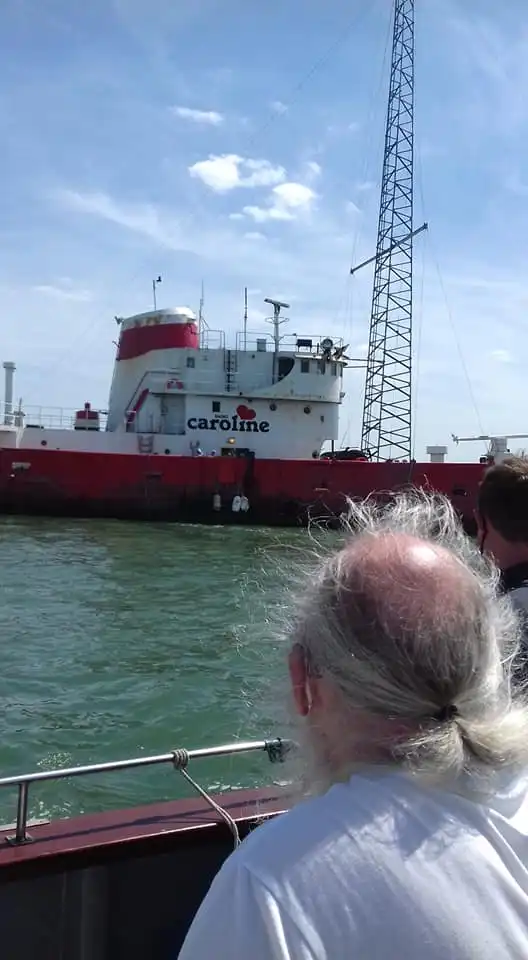
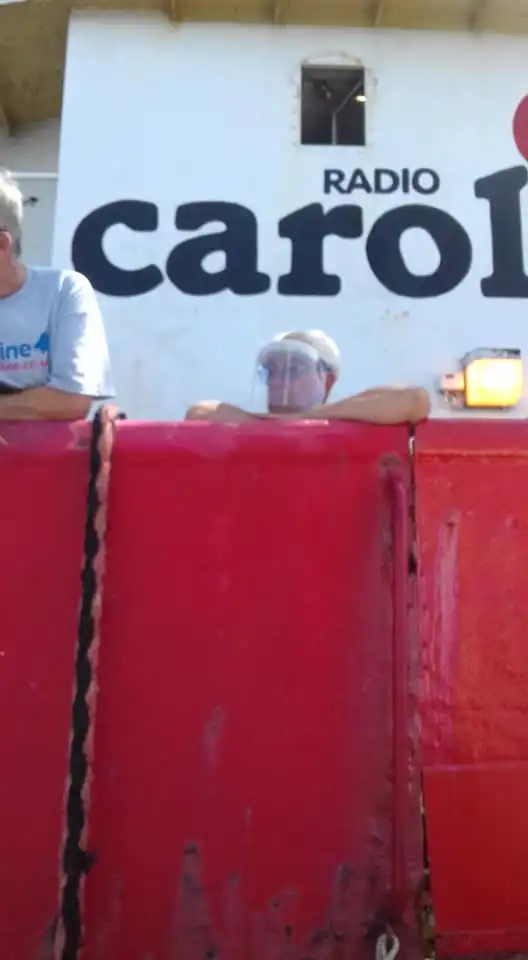
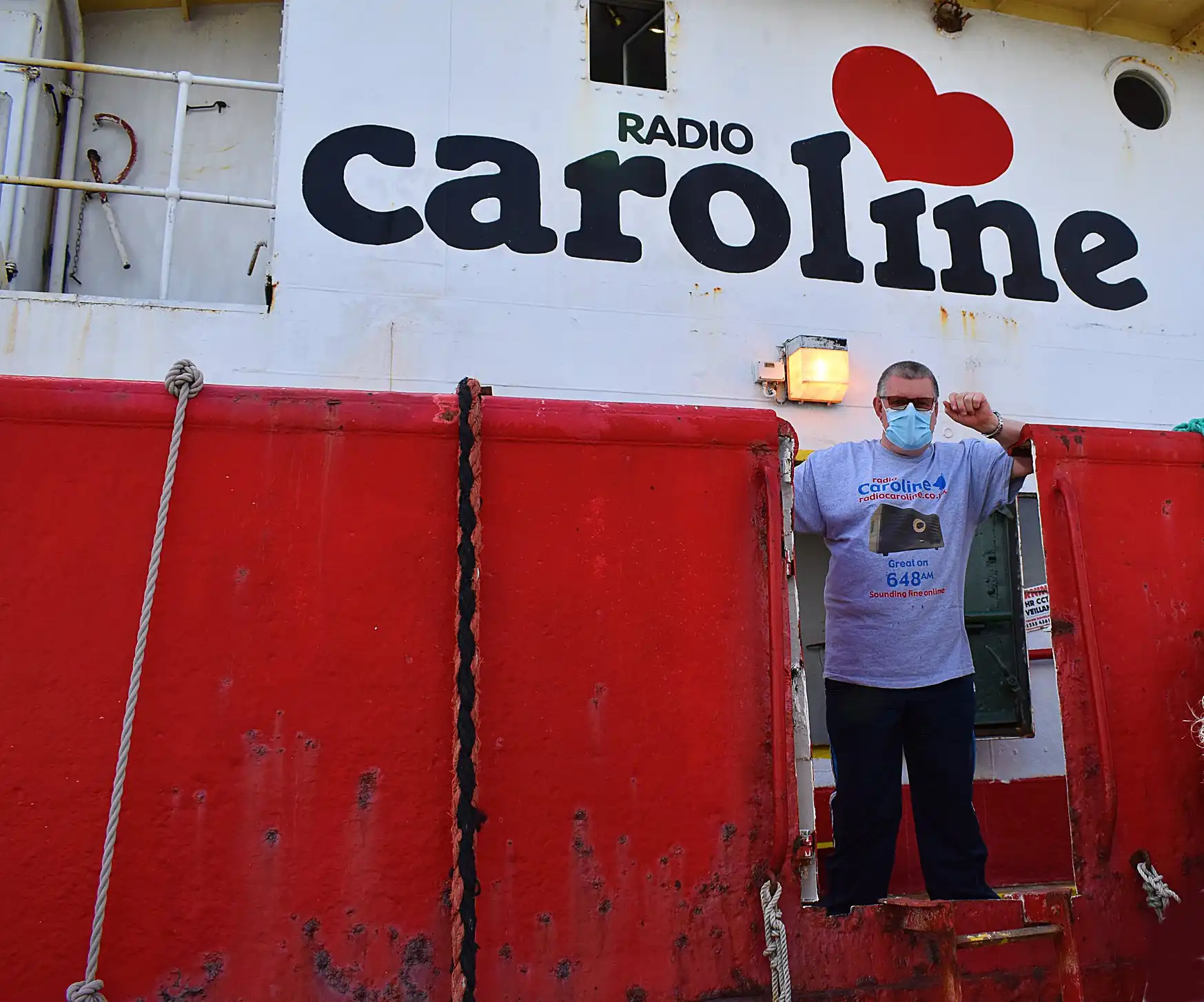
Wir führen regelmäßig Reisen durch, um Ross Revenge zu besuchen
und zu besichtigen, während
Radio Caroline North Live-Übertragungen vom Schiff
aus und auch wenn es keine Live-Übertragung gibt. Die Touren werden von Caroline DJs geleitet.
Die Reisen starten in West Mersea, Essex,
mit unserem voll lizenzierten und versicherten Angebot. UPDATE: Während der aktuellen Coronavirus-Pandemie
beobachten wir die Situation genau und setzen uns direkt
mit den Besuchern in Verbindung, wenn es notwendig ist,
ihre Reisen zu verschieben.
Am 28. März 1964 wurde die britische Rundfunklandschaft für immer verändert. Von einer abgehalfterten Fähre auf hoher See aus ging Radio Caroline auf Sendung. Tapfer sendete das Piratenradio gegen das Monopol der damals popfeindlichen BBC an. Heute ist der Sender ans Festland und ins Internet umgezogen.
Von Ruth Rach
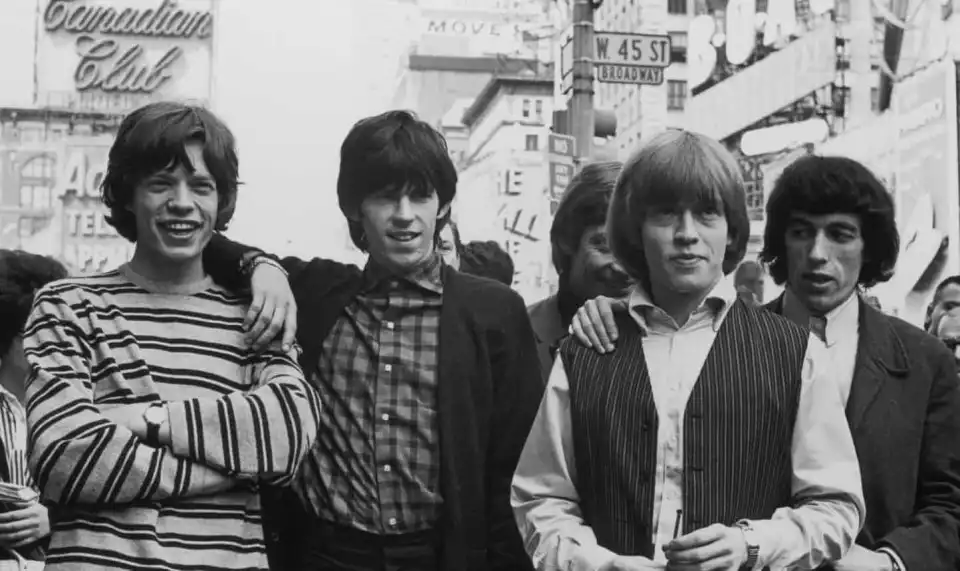
Die Rolling Stones 1967: Maßgebliche Rockbands wurden erst über Radio Caroline bekannt
Revolutionäre Pop Musik, experimentierfreudige DJs, und ein unstillbarer Hunger nach dem neuen Sound: Die Swinging 60’s. Damals war das Kofferradio DAS Kultobjekt, und die staatliche ‚Auntie‘ BBC besaβ in Groβbritannien das Sendemonopol. Aber was sie ausstrahlte, ging am Geschmack der Jugend vorbei. Die Teenager der 60er-Jahre wollten echte PopHits hören, und nicht die verwässerten Interpretationen, die ihnen vom BBC Tanzorchester vorgesetzt wurden. Auch das private Radio Luxemburg bot keine Alternative: unbeständige Funksignale, schlechter Empfang. Und Hits, die nur in Bruchstücken gespielt und deren Auswahl von den groβen Plattenfirmen kontrolliert wurde – denn sie hatten für die Sendezeit bezahlt.
Und dann kam Radio Caroline. Ein Piratensender, der die britische Rundfunklandschaft grundlegend veränderte. Radio Caroline ging am Ostersonntag, dem 28. März 1964 auf Sendung. Um all die Pop-Songs zu spielen, die von der BBC ignoriert wurden. Aber Privatsender waren damals streng verboten. Und so operierte das Piratenradio von einer ehemaligen Passagierfähre aus, und operierte unter panamaischer Flagge, drei Meilen vor der Küste, das bedeutete auβerhalb der britischen Hoheitszone. Sein Gründer war der irische Pop Produzent Ronan O’Rahilly, der erste inoffizielle Manager der Rolling Stones. Bis heute sagen maβgebliche Pop und Rockgruppen, dass sie eigentlich nur dank Radio Caroline bekannt wurden. Die Disc Jockeys von Radio Caroline wurden übernacht zu Legenden.
„Heute senden wir bei Windstärke acht, und sind im Studio angeschnallt“, erzählt Tony Blackburn. Später gibt der DJ zu, manchmal habe er absichtlich mit Aschenbechern geworfen, um die Atmosphäre noch dramatischer zu gestalten.
Aber an Dramen fehlte es Radio Caroline nun wirklich nicht. Ihr zweites Schiff, die Mi Amigo kenterte in einem Sturm und ging zehn Jahre später ganz unter. Und die Behörden sorgten gleich dauerhaft für Turbulenzen. Die Piraten stehlen das Copyright und bezahlen dafür keinen Penny, monierte der damalige Labour Minister Anthony Wedgewood Benn: Piratenschiffe gefährdeten den Funkverkehr und seien eine öffentliche Bedrohung.
Im August 1967 erklärte die britische Regierung alle Piratenschiffe für illegal – auch die in internationalen Gewässern. Radio Caroline-Zuhörer müssten mit hohen Geldstrafen rechnen. Inzwischen war die Zahl der Piratensender auf fast ein Dutzend gewachsen. Alle stellten den Sendebetrieb ein – auβer Radio Caroline. Jetzt sah die BBC nur noch eine Lösung: sie gründete ihre eigene Popstation, Radio 1. Mehrere Piraten-DJs wanderten zum staatlichen Sender ab.
Aber das Katz und Mausspiel mit den Behörden ging weiter. Inzwischen war Radio Caroline auf die ‚Ross Revenge‘ umgezogen. Das Schiff war mit einem riesigen Sendemasten ausgerüstet geriet aber immer wieder in Seenot. 1985 wurde die ‚Ross Revenge‘ von einem britischen Boot belagert, 1989 sogar von britischen und niederländischen Behörden gestürmt. Ergebnis: ein Medienwirbel nach dem anderen, und jede Menge freie Publicity für Radio Caroline.
Nun ist Radio Caroline also 50 Jahre geworden, ein Vorbild für die hunderte von Piratensendern, die allein in London aus Wohntürmen und Besenkammern ihre musikalischen Experimente ausstrahlen. Die BBC hat ihr Sendemonopol verloren. Radio Caroline ist aufs Festland umgezogen. Seine Sendungen sind übers Internet zu hören. Und das Piratenschiff ‚Ross Revenge‘ , das wird im Hafen von Tilbury von Enthusiasten liebevoll restauriert.
Die Beat-Generation der 1960er Jahre kaufte Singles, kleine Schallplatten mit nur einem Hit auf der A- und einem auf der B-Seite. Das Taschengeld reichte kaum für eine Langspielplatte mit zweimal 20 Minuten Musik.
Und so kam es, dass die Mittelwelle vor 50 Jahren ihre vielleicht schönste Zeit hatte. Da gab es Sender, die spielten Pop-Musik! Stundenlang. Beatles, Stones, überhaupt alle neuen Bands!
Auf Mittelwelle 1493 KHz tönte Radio Caroline, das erste Privatradio in Großbritannien! Caroline war für die Entwicklung der Popmusik in den 1960er Jahren von zentraler Bedeutung, wo sonst konnte vor 50 Jahren die aufkommende Popmusikindustrie ihre Ware, ihre Hits, bekannt machen?
Weil in den 1960er Jahren private Sender in Großbritannien nicht erlaubt waren, lag das Caroline-Schiff drei Meilen vor der Küste der Grafschaft Essex. Caroline kam auch ins Kino, als Vorlage für den Film „Radio Rock Revolution“.
1965 gab es weder Musik-CDs, noch Kassettengeräte, keine Musikvideos und kaum ein Telefon pro Haushalt. UKW-Empfänger waren als mit Röhren bestückte Standgeräte eine Zierde in Wohnzimmern. Sie erreichten eine hohe Wiedergabequalität, wenn auch anfangs in Mono.
Die ersten Taschenradios – mit Monowiedergabe – waren auf das Mittelwellenband von 540 bis 1600 kHz beschränkt. Höhere Frequenzen erreichten die ersten Serientransistoren (Germanium) nicht.
Es gab „Akkord-Peggie“ ab 1957 im Westen und „Sternchen“ ab 1959 im Osten (DDR) und in jedem Jahr bessere, erschwingliche Modelle.
Auf Mittelwelle 1137/38 kHz sendete „Wonderful Radio London (Big L)“, neben Radio Caroline der erfolgreichste Piratensender, der im Vereinigten Königreich zum Image der „Swinging Sixties“ beitrug.
Wie viele andere Piraten sendete Big L. von einem Schiff in der Nordsee, ebenfalls vor der Küste von Essex und außerhalb der englischen 3-Meilen-Zone, außerhalb jeder Regierungskontrolle als offshore-radio.
Big L. wurde von jungen Leuten gern gehört, wegen der neuesten Pop-Musik. Die Jingles und die ungewohnt lockere Art der Moderation waren weitere Erfolgsfaktoren.
So gab es – vor 50 Jahren – auf der Mittelwelle viele englischsprachige Sender, die aktuelle, „spritzige“ Titel spielten. Jugendliche bastelten eigene Hitlisten, die auf dem allerneusten Stand sein mussten, lernten englisch nicht nur in der Schule, sondern auch bei Seesendern wie Radio Caroline, Radio Northsea International, oder Radio London– anfangs ohne zu wissen, dass die Sendungen von Schiffen auf der Nordsee kamen. Sie lernten die Namen der meisten „Beatgruppen“ und Plattentitel auszusprechen und aufzuschreiben. Manche fuhren extra an den Nordseestrand, um ihren „Piraten“ gut hören zu können.
Radioempfänger hatte die mobile Flower-Power-Jugend, und die Piratensender. Im greisenhaften Deutschland West wie Ost gab es zu wenig Sender, die mehr als einmal wöchentlich eine Stunde aktuelle Rock- und Popmusik im Programm anboten. Es sah traurig aus:
Deutschlandfunk: Der aktuelle Plattenteller, Mo, 20:15-21:00 Uhr, einige MWs
RIAS Berlin: Die Schlager der Woche, Mo 20:00-21:00 Uhr, Mittelwelle 989 kHz mit 300 kW Europawelle Saar: Hallo Twen, Mo ab 18:05 Uhr mit Manfred Sexauer (1.421 kHz, Sendeleistung:1,2 MW.) Der amerikanische Soldatensender AFN spielte auf MW 935 kHz eine Stunde: „The Beat goes on“. Die BBC sendete freitags um 21.45 Uhr: „Hit 66“, dann „Hit 67“, auf 1260 kHz.
Und „Radio Luxemburg“? „Sprecher“ wie Frank (Elstner), (Dieter) Thomas (Heck), oder Camillo Felgen setzten auf Mittelwelle 1440 kHz Maßstäbe im Unterhaltungsrundfunk.
Doch: „Die großen Acht“, „Die Hitparade“ und „Der fröhliche Wecker“ hinkten der aktuellen, englischen Musik oft hinterher. Die gab es bei Tony Prince auf „Radio Lucky Luxembourg“, abends, nach dem deutschsprachigen Programm!
Manche die tags Luxemburg hören wollten, rutschten auf der Skala etwas weiter und fanden die TOP 40 von „Radio Nordsea International“!
Im Sommer 1967 trat das britische Anti-Seesender-Gesetz in Kraft: aus war‘s mit der Piraterei! Die Frequenzen wurden mit Störsendern belegt. Sieben Jahre später mussten die Konkurrenten „Radio Northsea International“ und „Radio Veronica“ die sich gar mit Brandanschlägen hart bekämpften, ihren Sendebetrieb vor der holländischen Küste einstellen.
Die niederländische Regierung setzte 1974 ebenfalls ein „Anti-Piraten-Gesetz“ in Kraft. Doch fast alle Piraten sind heute „onAir“! Offiziell, im Internet.
Die Radio-Begeisterung der Macher reicht bis heute und MUSIK ist genug da!
Auf „Radio Caroline“ sendet Tony Paul jeden Morgen „Breakfast from L.A.“ Cliff Osbourne verließ „Radio Caroline“ vor einigen Jahren, um ein eigenes Internetradio zu betreiben.
Big L. bietet jeden Morgen „Suzis Brunch“ richtig flott, die Neue, und: “Paul Jones comes aboard the good ship Big L. every Sunday”. Sonntagmittag, zwei Stunden Hits der 50er, 60er und 70er.
Roger Kirk von „Radio Northsea International“ –RNI- starb 2013 und hinterließ seine umfangreiche Doku-Reihe über die Geschichte der Seesender.
Hardy Schracke sendete in den USA, Italien und bei RNI. Dort ist er jetzt für den deutschsprachigen Service, immer donnerstags, verantwortlich und für seine eigenen drei Shows: früh, mittags und abends. 250.000 Titel hat Hardy in seiner Musikrotation!
PMR446 ist eine weitverbreitete Funkanwendung im 70 cm Band, die für Jedermann zugänglich ist. Die Abkürzung "PMR" steht dabei für "Personal Mobile Radio". Diese Funktechnologie wird in verschiedenen Bereichen genutzt, darunter Fahrschulfunk, Babyüberwachung, Kommunikation beim Gleitschirmflug, Geocaching und allgemeiner Sprechfunk.
Hobbyfunker nutzen teilweise PMR-Funkgeräte in Kombination mit einem "Repeater" (auch als "Papagei" bekannt), der an erhöhten Standorten installiert ist. Dies ermöglicht die Überbrückung weiter Entfernungen und die Beleuchtung von tiefer gelegenen Flächen, da empfangene Nachrichten kurzzeitig zwischengespeichert und dann erneut ausgesendet werden.
PMR446 arbeitet im UHF-Frequenzbereich von 446,0 bis 446,200 MHz und ist in den meisten europäischen Ländern zugelassen. Der analoge Betrieb erfolgt über 16 Kanäle im 12,5 KHz Frequenzraster, während für die digitale Nutzung 48 Kanäle zur Verfügung stehen.
Die maximale Sendeleistung beträgt 500mW ERP, und die Reichweite variiert je nach Umgebung. In bebautem Gebiet liegt die Reichweite bei etwa 200 Metern, im Wald können jedoch 2 bis 3 Kilometer erreicht werden. Bei freier optischer Sicht zwischen den Funkgeräten ist die größte Distanz möglich.
Es ist wichtig, nur zugelassene Funkgeräte zu verwenden, wobei die Zulassungen für den Betrieb mit fest integrierten Antennen erteilt werden. Einige Geräte verfügen über externe Magnetfußantennen, die über Antennenkabel fest mit dem Gerät verbunden sind. Diese eignen sich besonders gut für den Betrieb im Auto, da die Antenne auf dem Autodach befestigt werden kann. Bei Platzierung auf einem Fensterbrett ist auch ein effektiver Funkbetrieb von Wohnungen aus möglich.
Der Frequenzbereich ist in 16 Kanäle im 12,5-kHz-Raster unterteilt.[1] Zur Vermeidung von Nachbarkanalstörungen direkt unterhalb von 446,0 MHz wurde das Kanalraster gegenüber der normalen Anordnung, bei der der erste Kanal genau die Frequenz 446 MHz erhalten hätte, um 6,25 kHz und damit um eine halbe Kanalbreite angehoben (also auf 446,00625 MHz). Aufgrund des für analoge Funkgeräte mit festem Frequenzraster besonderen Offsets von 6,25 kHz erschwerte man gleichzeitig die Einsatzmöglichkeit von nicht zugelassenen Geräten, wie z. B. analogen Amateurfunkgeräten mit erheblich größerer Sendeleistung als den zugelassenen 0,5 Watt. Digitale Amateurfunkgeräte mit Direct Digital Synthesis (DDS) zur Frequenzerzeugung beherrschen aber auch das verwendete 6,25-kHz-Raster von PMR.
| Kanal FM | Mittenfrequenz in MHz | Kanalbreite/Kanalraster in kHz |
|---|---|---|
| 1 | 446,00625 | 12,5 |
| 2 | 446,01875 | 12,5 |
| 3 | 446,03125 | 12,5 |
| 4 | 446,04375 | 12,5 |
| 5 | 446,05625 | 12,5 |
| 6 | 446,06875 | 12,5 |
| 7 | 446,08125 | 12,5 |
| 8 | 446,09375 | 12,5 |
| 9 | 446,10625 | 12,5 |
| 10 | 446,11875 | 12,5 |
| 11 | 446,13125 | 12,5 |
| 12 | 446,14375 | 12,5 |
| 13 | 446,15625 | 12,5 |
| 14 | 446,16875 | 12,5 |
| 15 | 446,18125 | 12,5 |
| 16 | 446,19375 | 12,5 |
Eine allgemeine Nutzungskonvention einzelner Kanäle besteht nicht, da die Geräte meist in Paaren oder geschlossenen Nutzergruppen genutzt werden, die sich voneinander mit CTCSS und DCS abgrenzen oder sich durch die begrenzte Reichweite nicht stören. Einzelne Organisationen haben für Aktivitäten im Freien regionale Empfehlungen notiert.[3][4][5][6]
DMR Tier I verwendet TDMA (Time Division Multiple Access) bei einem Kanalabstand von 12,5 kHz, dPMR446 hingegen FDMA (Frequency Division Multiple Access) bei einem Kanalabstand von 6,25 kHz.[7][8]
Die Nummerierung der Kanäle für die digitalen Betriebsarten DMR Tier I und dPMR446 erfolgt unterschiedlich.[9]
| Kanal TDMA DMR Tier I | Mittenfrequenz in MHz | Kanalbreite/Kanalraster in kHz |
|---|---|---|
| 1 | 446,00625 | 12,5 |
| 2 | 446,01875 | 12,5 |
| 3 | 446,03125 | 12,5 |
| 4 | 446,04375 | 12,5 |
| 5 | 446,05625 | 12,5 |
| 6 | 446,06875 | 12,5 |
| 7 | 446,08125 | 12,5 |
| 8 | 446,09375 | 12,5 |
| 9 | 446,10625 | 12,5 |
| 10 | 446,11875 | 12,5 |
| 11 | 446,13125 | 12,5 |
| 12 | 446,14375 | 12,5 |
| 13 | 446,15625 | 12,5 |
| 14 | 446,16875 | 12,5 |
| 15 | 446,18125 | 12,5 |
| 16 | 446,19375 | 12,5 |
| Kanal FDMA dPMR | Mittenfrequenz in MHz | Kanalbreite/Kanalraster in kHz |
|---|---|---|
| 1 | 446,003125 | 6,25 |
| 2 | 446,009375 | 6,25 |
| 3 | 446,015625 | 6,25 |
| 4 | 446,021875 | 6,25 |
| 5 | 446,028125 | 6,25 |
| 6 | 446,034375 | 6,25 |
| 7 | 446,040625 | 6,25 |
| 8 | 446,046875 | 6,25 |
| 9 | 446,053125 | 6,25 |
| 10 | 446,059375 | 6,25 |
| 11 | 446,065625 | 6,25 |
| 12 | 446,071875 | 6,25 |
| 13 | 446,078125 | 6,25 |
| 14 | 446,084375 | 6,25 |
| 15 | 446,090625 | 6,25 |
| 16 | 446,096875 | 6,25 |
| 17 | 446,103125 | 6,25 |
| 18 | 446,109375 | 6,25 |
| 19 | 446,115625 | 6,25 |
| 20 | 446,121875 | 6,25 |
| 21 | 446,128125 | 6,25 |
| 22 | 446,134375 | 6,25 |
| 23 | 446,140625 | 6,25 |
| 24 | 446,146875 | 6,25 |
| 25 | 446,153125 | 6,25 |
| 26 | 446,159375 | 6,25 |
| 27 | 446,165625 | 6,25 |
| 28 | 446,171875 | 6,25 |
| 29 | 446,178125 | 6,25 |
| 30 | 446,184375 | 6,25 |
| 31 | 446,190625 | 6,25 |
| 32 | 446,196875 | 6,25 |
Frequenzauflistung gemäß Verfügung 42/2016 der Bundesnetzagentur (BNetzA).

Midland G7E Pro MAG
mit Magnetfußantenne.
Foto Neuner.de